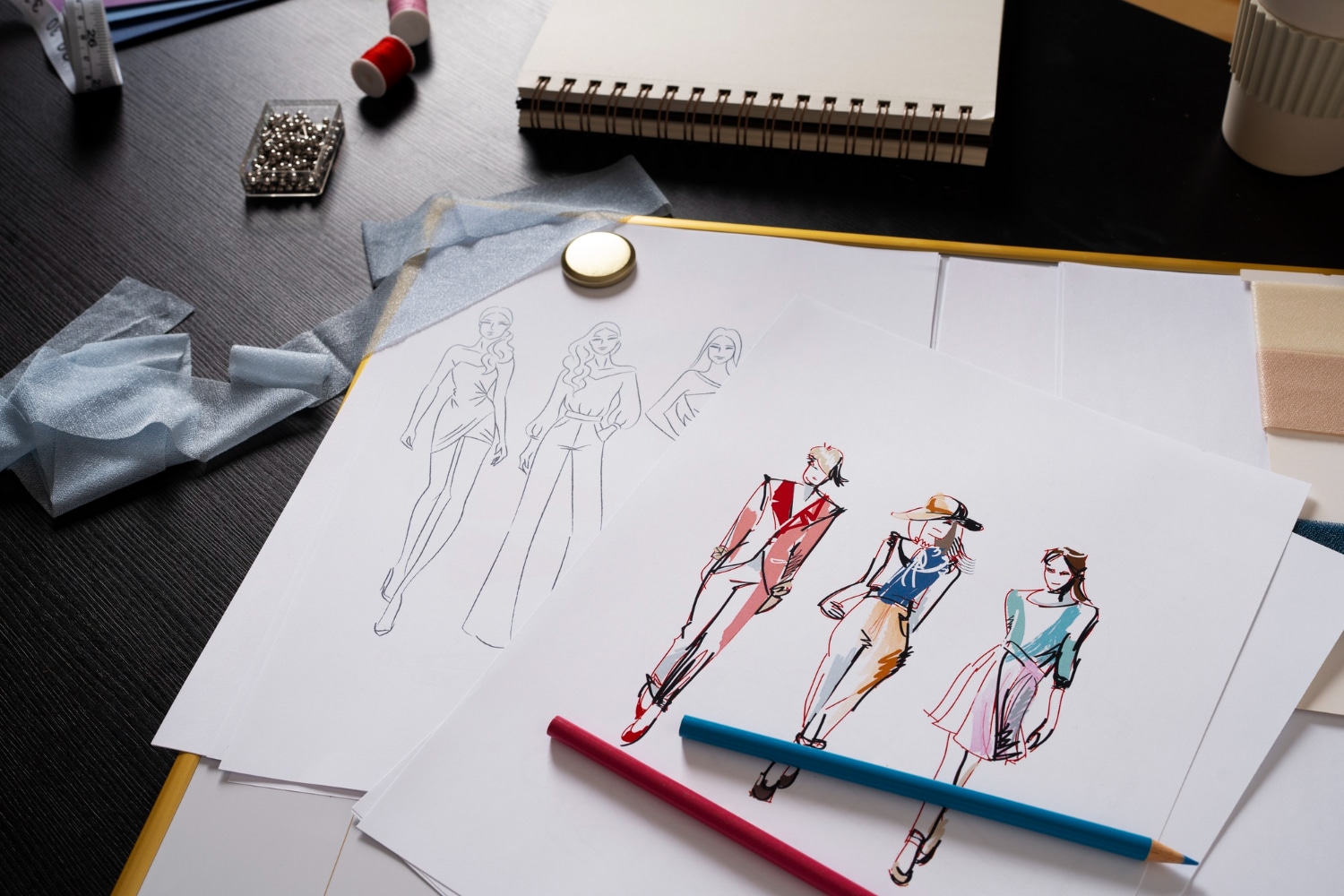
Fashion illustration is one of the most important skills for anyone planning to enter the fashion industry. Before a garment is stitched, produced, or showcased on a runway, it usually begins as a sketch. This is where fashion illustration plays a major role. It helps designers communicate ideas visually and transform concepts into wearable designs.
For aspiring designers, learning fashion illustration for beginners is the first step toward building a strong creative foundation. Whether you dream of becoming a fashion designer, stylist, fashion entrepreneur, or illustrator, understanding the basics of fashion sketching will help you express your ideas clearly and professionally.
This beginner’s guide covers everything you need to know about fashion illustration, including tools, techniques, body proportions, common mistakes, practical tips, benefits, and career opportunities.
What is Fashion Illustration?
Fashion illustration is the creative representation of clothing, accessories, and fashion concepts through drawing or digital design. Unlike technical sketches, fashion illustrations are more expressive and focus on presenting the mood, style, silhouette, and personality of a design.
A fashion illustration is not simply a drawing of clothes. It is a visual language used by designers to communicate design concepts before creating actual garments.
Fashion illustrations typically include:
- Stylised human figures
- Clothing details
- Accessories
- Color combinations
- Fabric textures
- Mood and styling concepts
For beginners, fashion illustration starts with understanding body structure, proportions, and garment drawing techniques.
Why Fashion Illustration is Important for Beginners
Learning fashion illustration offers more than just drawing skills. It builds the foundation for a successful fashion career.
1. Helps Visualise Ideas
Fashion designers constantly generate ideas. Illustration allows them to transfer those ideas from imagination to paper.
Instead of verbally explaining a concept, a sketch communicates it instantly.
2. Builds Creative Confidence
Beginners often struggle to express their creativity. Illustrations help improve visual communication and build confidence in presenting ideas.
The more you sketch, the stronger your creative identity becomes.
3. Essential for Fashion Design Courses
Most professional fashion designer courses include fashion illustration as a core subject. Without basic sketching knowledge, it becomes difficult to understand garment design and construction.
4. Supports Portfolio Development
A strong fashion portfolio begins with quality illustrations. These sketches help students showcase their skills when applying for internships, jobs, or design programs.
Basic Tools Required for Fashion Illustration Beginners
You do not need expensive materials to start learning.
1. Drawing Essentials
- HB pencil for light sketching
- 2B or 4B pencil for darker outlines
- Eraser
- Sharpener
- Scale
2. Paper & Sketchbooks
- A4 sheets
- Cartridge paper
- Fashion sketchbook
A dedicated sketchbook helps you track progress.
3. Colouring Materials
- Color pencils
- Markers
- Watercolors
- Brush pens
These tools help you experiment with textures, shading, and garment rendering.
4. Optional Digital Tools
For digital fashion illustration:
- Tablet
- Stylus
- Design software such as Adobe Illustrator or Procreate
Beginners should first master hand sketching before moving to digital illustration.
Understanding Fashion Figure Proportions
Fashion figures differ from real human anatomy. In fashion illustration, the body is elongated to make garments look more elegant.
Standard Fashion Figure
A fashion croquis is usually:
- 8 heads tall
- 9 heads tall
- 10 heads tall (editorial style)
This proportion creates a more dramatic silhouette.
Key Body Areas to Focus On
- Neck
- Shoulders
- Bust
- Waist
- Hips
- Knees
- Ankles
Understanding body proportions helps garments fit correctly on the sketch.
Step-by-Step Process to Start Fashion Illustration
Step 1: Draw a Fashion Croquis
A croquis is the base body template used for fashion sketching.
Start by:
- Drawing a vertical guideline
- Dividing the body into head proportions
- Marking shoulders, waist, hips, and legs
This creates a balanced structure.
Step 2: Add Pose and Movement
Fashion illustrations should not look stiff.
Practice drawing:
- Walking poses
- Standing poses
- Hand-on-hip poses
- Dynamic editorial poses
Movement adds life and personality to your design.
Step 3: Sketch Garments
Once your figure is ready, start drawing garments over the body.
Focus on:
- Necklines
- Sleeves
- Silhouettes
- Hemlines
- Fit and volume
Start with simple outfits before trying complex garments.
Step 4: Add Fabric Details
This is where your design becomes realistic.
Include:
- Folds
- Pleats
- Ruffles
- Seams
- Buttons
- Zippers
Fabric behaviour depends on the material type.
For example:
- Silk flows softly
- Denim looks structured
- Cotton has moderate folds
Step 5: Apply Colours and Rendering
Colouring improves presentation quality.
Use:
- Light base tones
- Darker shadows
- Highlights for shine
Rendering helps showcase texture and depth.
Types of Fashion Illustration Styles
As you improve, you can explore different illustration styles.
1. Flat Sketches
Technical garment drawings used in production.
Best for:
- Pattern making
- Technical sheets
2. Stylised Illustrations
Artistic fashion drawings with exaggerated proportions.
Best for:
- Portfolios
- Presentations
3. Editorial Fashion Illustration
High-fashion expressive illustrations used in magazines.
Best for:
- Creative projects
- Branding
4. Digital Fashion Illustration
Created using digital software.
Best for:
- Professional presentations
- Freelancing
Common Mistakes Beginners Make
1. Ignoring Body Proportions
Poor proportions make designs look unrealistic.
Practice croquis repeatedly.
2. Drawing Stiff Poses
Fashion sketches should feel dynamic.
Add movement and posture.
3. Overcomplicating Designs
Beginners often add too many details too early.
Start simple.
4. Poor Fabric Understanding
Different fabrics behave differently.
Study real garments.
5. Inconsistent Practice
Improvement only comes with regular sketching.
Even 20 minutes daily helps.
Challenges Beginners Face in Fashion Illustration
Learning fashion illustration can feel difficult initially.
Common challenges include:
- Drawing hands and feet
- Creating facial features
- Maintaining body balance
- Understanding shading
- Drawing realistic drapes
These challenges are normal.
With practice and proper guidance, beginners improve significantly.
Practical Tips to Improve Faster
1. Practice Daily
Consistency matters more than talent.
Daily sketching improves:
- Line confidence
- Speed
- Accuracy
2. Observe Real Fashion
Study:
- Fashion magazines
- Runway shows
- Clothing stores
- Pinterest boards
Observation improves design sense.
3. Use References
Learning from references helps beginners understand:
- Anatomy
- Styling
- Fabric behavior
Avoid blind copying. Use references as learning support.
4. Build a Habit of Experimentation
Try:
- Different silhouettes
- Fabric textures
- Color palettes
- Fashion eras
Experimentation develops originality.
5. Learn from Experts
A structured fashion design course can accelerate learning by providing:
- Expert mentorship
- Practical assignments
- Industry exposure
Benefits of Learning Fashion Illustration
Learning fashion illustration provides several long-term benefits.
1. Enhances Creativity
Improves idea generation and design thinking.
2. Improves Communication
Helps explain design concepts clearly.
3. Supports Career Growth
Required for multiple fashion careers.
4. Builds Professional Portfolio
Essential for internships and jobs.
5. Creates Freelance Opportunities
Fashion illustrators can work independently.
Career Opportunities After Learning Fashion Illustration
Fashion illustration opens several career scopes in India.
1. Fashion Designer
Create garments and collections.
2. Fashion Illustrator
Work for brands, magazines, or clients.
3. Fashion Stylist
Use illustration for styling concepts.
4. Freelancer
Offer sketching and illustration services.
5. Fashion Educator
Teach design and illustration.
Is Fashion Illustration Difficult to Learn?
Fashion illustration is a skill, not a talent reserved for a few people.
Beginners often assume:
“I cannot draw well, so I cannot become a designer.”
This is incorrect.
Fashion illustration can be learned through:
- Practice
- Observation
- Structured learning
Like any skill, improvement happens gradually.
FAQs
1. How can I start fashion illustration as a beginner?
Start with body proportions, croquis drawing, and simple garment sketching. Practice regularly.
2. Do I need drawing experience?
No. Beginners can start from zero.
3. How long does it take to learn fashion illustration?
Basic skills can be developed in 3–6 months with consistent practice.
4. Can I learn fashion illustration at home?
Yes, but expert guidance helps improve faster.
5. Which tools are best for beginners?
Pencils, a sketchbook, an eraser, markers, and coloured pencils are enough to begin.
Start Your Design Journey with IFJD
If you want to build a professional career in fashion design, learning from industry experts can make a real difference. At IFJD, students receive practical training, expert mentorship, and hands-on learning that helps turn creativity into a profession. Contact IFJD today and take your first step toward becoming a confident fashion designer.