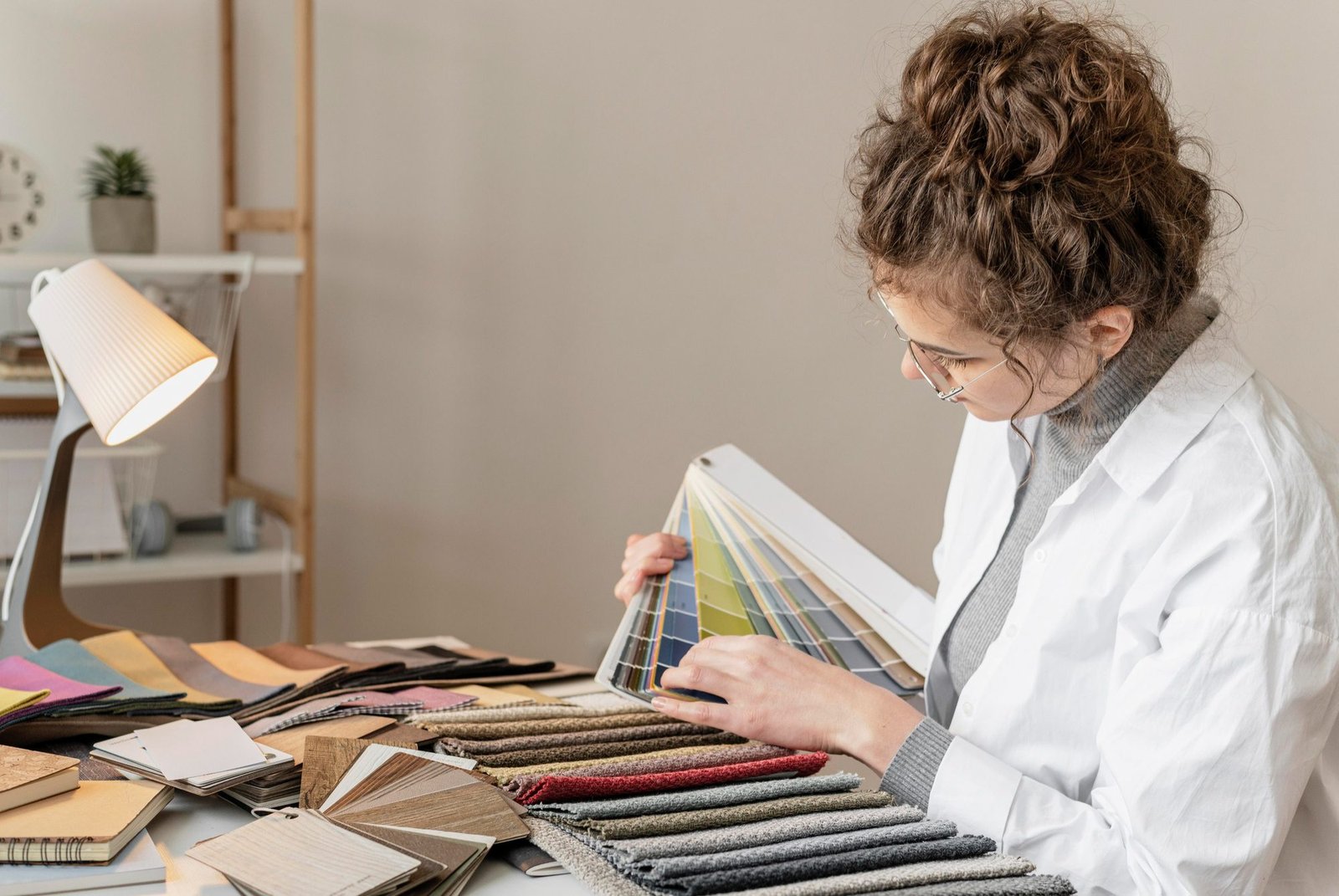
Choosing the right fabric is one of the most important decisions in fashion design. A garment may have an excellent sketch, attractive colours, and a well-developed pattern, but the wrong material can completely change its appearance, fit, comfort, and performance. Fabric selection in fashion design involves much more than choosing a fabric because it looks beautiful.
Designers need to consider the garment’s purpose, silhouette, drape, weight, texture, stretch, durability, climate, maintenance, cost, and the wearer’s expectations. Fabric properties can also influence sewing, seam quality, garment construction, and the final appearance of a finished piece.
For fashion design students, developing strong textile knowledge is therefore essential. Understanding how different materials behave helps transform creative concepts into practical, wearable garments.
Why Fabric Selection Matters in Fashion Design
Fabric is not simply the material used to construct clothing. It actively contributes to the design.
The same pattern can produce very different results when made from cotton, satin, denim, chiffon, or jersey. A lightweight fabric may create movement and softness, while a heavier material can give a garment structure and volume.
Effective fabric selection can help designers achieve:
- The desired garment silhouette
- Better comfort and movement
- Appropriate drape and fall
- Suitable durability
- Better fit and construction
- The intended visual effect
- Appropriate seasonal performance
- More predictable production results
Research on garment manufacturing also shows that fabric properties can affect both garment quality and the production process, including sewability and issues such as seam slippage and seam puckering.
How to Choose the Right Fabric for Fashion Design Projects
1. Start With the Purpose of the Garment
Before selecting fabric, determine what the garment is supposed to do.
Ask yourself:
- Is it casual, formal, festive, or professional?
- Will it be worn daily or occasionally?
- Is it designed for summer, winter, or all-season use?
- Does the wearer need freedom of movement?
- Does the garment require structure or fluidity?
For example, cotton may work well for casual summer clothing because of its comfort and breathability, while wool or a suitable wool blend may be more appropriate for structured winter garments.
The best fabric is therefore not necessarily the most expensive one. It is the material that supports the garment’s intended purpose.
2. Understand Different Fabric Types
Fashion designers should understand the basic differences between natural, synthetic, and blended fabrics.
- Natural fabrics include cotton, linen, silk, and wool. They can provide characteristics such as comfort, breathability, warmth, or luxurious texture depending on the fibre and construction.
- Synthetic fabrics include polyester, nylon, and spandex. They can offer durability, stretch, wrinkle resistance, or performance characteristics.
- Blended fabrics combine different fibres to balance their properties. For example, a cotton-polyester blend may combine some of cotton’s comfort with polyester’s durability and easier care.
Understanding fibre content gives designers a better idea of how a textile may behave during wear, washing, cutting, and construction.
3. Consider Fabric Weight and Thickness
Fabric weight is another important factor in fabric selection in fashion design.
Lightweight fabrics such as chiffon and some lightweight cottons are often suitable for flowing garments and layered designs. Medium-weight fabrics can work well for shirts, dresses, skirts, and versatile everyday garments. Heavy fabrics such as denim and certain wool fabrics can provide structure and durability.
Fabric weight can affect:
- How the garment hangs
- How much volume it creates
- How comfortable it feels
- How easily it can be stitched
- Whether it is suitable for the season
Designers should avoid selecting a fabric solely because its colour or print looks attractive. Its weight must also work with the intended silhouette.
4. Evaluate Drape and Fall
Drape describes how fabric falls and moves when placed on the body or dress form.
Soft, fluid fabrics can create elegant movement and flowing silhouettes. Firmer fabrics can hold their shape and are more suitable for structured designs.
For example:
- Chiffon can create a light, flowing appearance.
- Rayon can provide soft movement.
- Satin can create fluidity with a smooth, lustrous surface.
- Taffeta can support more structured silhouettes.
- Denim can provide firmness and durability.
A fabric that looks beautiful on a roll may behave very differently when cut and constructed. This is why designers should physically test fabric whenever possible.
5. Check Stretch and Recovery
Stretch is particularly important when designing fitted clothing, sportswear, leggings, bodycon garments, and other pieces that require movement.
Knits and fabrics containing elastane or spandex generally provide more stretch than many woven fabrics. However, stretch alone is not enough. Designers should also consider recovery- how well the fabric returns to its original shape after being stretched.
Poor recovery can lead to sagging, distorted seams, and an unattractive fit.
6. Think About Texture, Colour, and Surface Finish
The visual and tactile qualities of a fabric can influence the entire personality of a garment.
Consider:
- Smooth versus textured surfaces
- Matte versus shiny finishes
- Printed versus solid fabrics
- Embroidered or embellished surfaces
- Soft versus crisp hand feel
- Transparency and opacity
A luxurious evening design may benefit from satin, silk, velvet, or other fabrics with an appropriate surface quality, while everyday clothing may require easier-care materials.
The fabric should support the concept rather than compete with it.
7. Consider Climate and Comfort
Climate should be part of the fabric decision, especially when designing for a specific geographic market.
For warm climates, designers often need to consider breathability, moisture management, lightweight construction, and comfort. Cotton and linen can be useful options for many warm-weather applications, while certain technical or blended fabrics may be better suited to performance clothing.
Comfort also depends on softness, weight, air permeability, moisture behaviour, and how the material feels against the skin.
8. Check Durability and Care Requirements
A fabric should match the expected lifestyle of the wearer.
For everyday garments, consider whether the material can withstand:
- Frequent washing
- Regular movement
- Friction
- Repeated ironing
- Long-term use
Delicate fabrics may be excellent for occasion wear but less practical for garments intended for frequent use.
Designers should also check shrinkage, colourfastness, pilling, seam strength, and care instructions before finalising their material.
Common Fabric Selection Mistakes to Avoid
Beginners often make fabric choices based mainly on colour, print, or price. This can create problems later.
Common mistakes include:
1. Choosing Appearance Over Function
A beautiful fabric may not provide the required structure, stretch, or comfort.
2. Ignoring Fabric Behaviour
Always test how the material drapes, stretches, frays, and responds to pressing before using it for an important project.
3. Skipping Pre-Washing
Some fabrics can shrink or change after washing. Pre-treatment may therefore be important depending on the material and project.
4. Buying Without Testing
Whenever possible, purchase a swatch or small quantity first. Test the fabric before committing to a larger amount.
5. Forgetting Construction Requirements
Some fabrics are difficult to cut, sew, press, or finish. Your technical skill and available equipment should influence the decision.
Benefits of Learning Fabric Selection in Fashion Design
Strong textile knowledge gives aspiring designers a practical advantage. It helps them:
- Develop more realistic designs
- Reduce sampling mistakes
- Improve garment fit and construction
- Make better material decisions
- Communicate effectively with manufacturers
- Build stronger fashion collections
- Create garments that balance aesthetics and functionality
- Develop greater confidence during design projects
Fabric selection is also closely connected with pattern making, garment construction, colour theory, and portfolio development. These areas work together rather than functioning as isolated fashion design skills.
At IFJD, students learn textile knowledge and fabric selection as part of a broader practical fashion design education. The institute’s fashion design course covers areas including textile science, fabric knowledge, pattern making, garment construction, colour theory, and practical design projects.
Frequently Asked Questions
1. What is fabric selection in fashion design?
Fabric selection in fashion design is the process of choosing a textile based on the garment’s purpose, design, silhouette, comfort, durability, appearance, and construction requirements.
2. Which fabric is best for fashion design projects?
There is no single best fabric. The right choice depends on the garment. Cotton may work well for casual clothing, chiffon for flowing designs, denim for durable garments, and satin for certain formal or occasion-wear designs.
3. Why is fabric knowledge important for fashion designers?
Fabric knowledge helps designers understand how materials will drape, stretch, feel, move, and respond during construction. It allows them to create designs that are both visually appealing and practical.
4. How can fashion students test a fabric before using it?
Students can examine a swatch for weight, drape, stretch, texture, transparency, fraying, and colour. They can also test pressing, washing, and sewing behaviour when appropriate.
5. Can the wrong fabric affect garment construction?
Yes. Fabric properties can influence cutting, sewing, seam quality, fit, and finishing. Choosing an unsuitable material can make construction more difficult and affect the quality of the final garment.
Build Stronger Fashion Design Skills With IFJD
Learning to select the right fabric is an essential step toward becoming a confident fashion designer. At IFJD, students develop practical knowledge across textile science, fabric selection, pattern making, garment construction, design development, and portfolio building. The course also includes workshops, live projects, exhibitions, and practical assignments to help students apply their skills.
If you want to turn your creativity into professional fashion design skills, contact IFJD and take the next step toward building your design career.