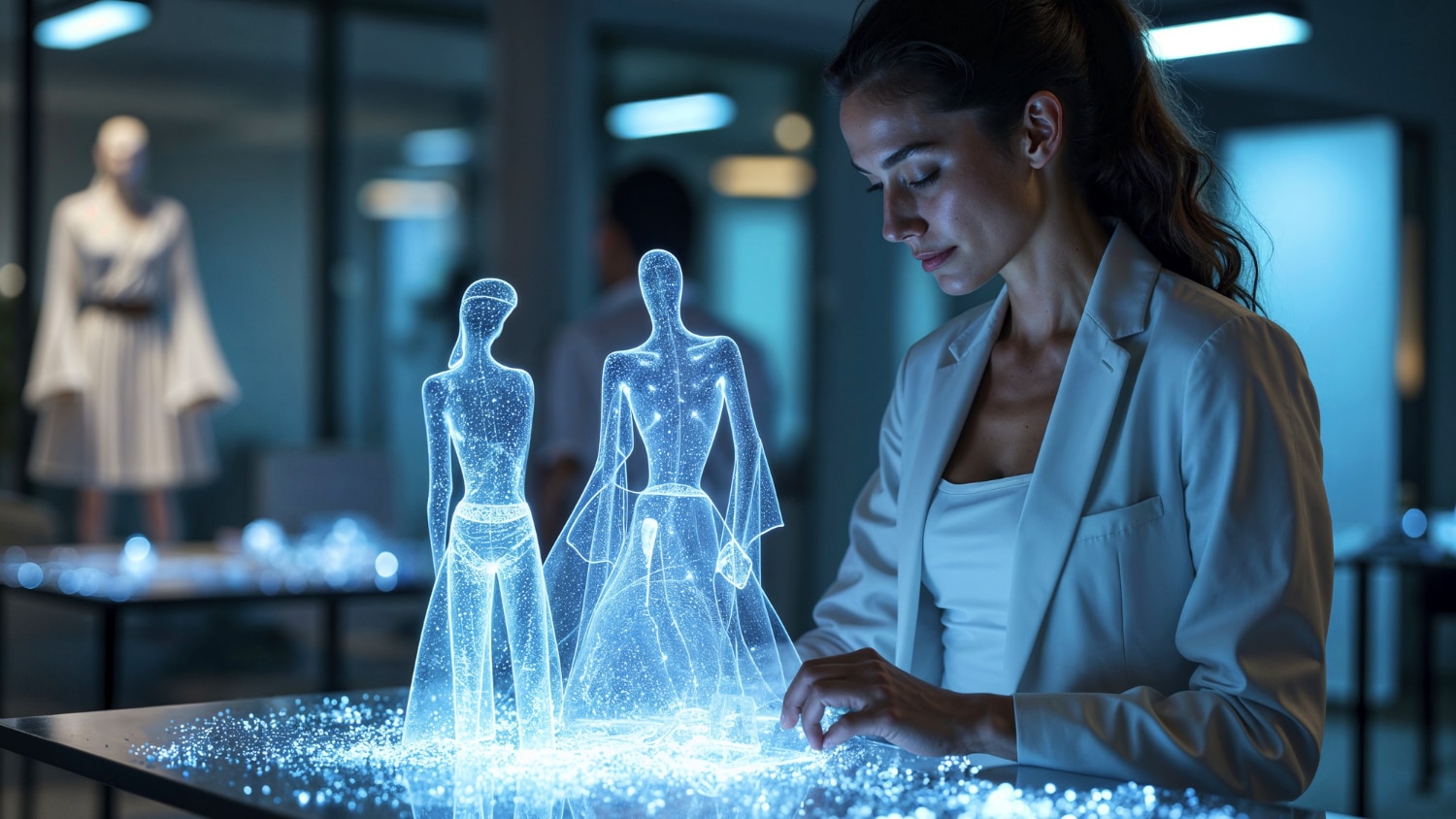
Artificial intelligence is rapidly transforming industries across the globe, and the fashion industry is no exception. The integration of AI in fashion designing is changing how designers create, plan, and deliver collections. From automated design generation to trend forecasting, AI is becoming an essential part of modern fashion workflows.
This has raised an important question among students and professionals: Will AI replace fashion designers?
The answer is more nuanced. AI is not eliminating designers but reshaping their roles. Instead of replacing creativity, it enhances efficiency and enables designers to work smarter.
What is AI in Fashion Designing?
AI in fashion designing refers to the use of machine learning, data analytics, and intelligent software to support various aspects of the design process. These technologies help designers analyse trends, generate ideas, and optimise production.
AI tools are currently used for:
- Creating design variations quickly
- Predicting upcoming fashion trends
- Personalising customer preferences
- Improving supply chain efficiency
By automating repetitive tasks, AI allows designers to focus more on creativity and innovation.
How AI is Transforming the Fashion Industry
1. AI-Assisted Design
AI-powered tools can generate multiple design concepts in minutes. Designers can experiment with different styles, fabrics, and patterns without spending excessive time on manual work. This speeds up the overall design process and increases productivity.
2. Trend Forecasting
AI analyses data from social media, online shopping behaviour, and global fashion trends. This helps brands predict what consumers will prefer in the future, allowing designers to create more relevant collections.
3. Digital and 3D Fashion
With AI and 3D software, designers can create virtual garments and prototypes. This reduces the need for physical samples and allows for faster approvals and modifications.
4. Smart Production
AI helps optimise production processes by reducing waste, improving inventory management, and increasing efficiency. This also supports sustainable fashion practices.
Will AI Replace Fashion Designers?
AI will not replace fashion designers, but it will change the nature of their work.
AI can handle technical and repetitive tasks such as pattern generation and data analysis. However, it cannot replicate human creativity, emotional understanding, and cultural awareness.
Fashion is not just about clothing; it is about storytelling, identity, and artistic expression. These are areas where human designers continue to play a critical role.
Job Impact: Risk and Opportunities
Roles That May Decline
Some entry-level and repetitive roles may be reduced due to automation. These include:
- Basic design assistants
- Manual pattern makers
- Routine production roles
New Career Opportunities
At the same time, AI is creating new job roles such as:
- Digital fashion designers
- AI fashion specialists
- 3D garment designers
- Fashion data analysts
The demand is shifting toward professionals who combine creativity with technical skills.
Benefits of AI in Fashion Designing
AI offers several advantages that are improving the industry:
- Faster design and production cycles
- Data-driven decision making
- Reduced operational costs
- Improved personalisation for customers
- More sustainable production methods
These benefits make AI a valuable tool rather than a threat.
Challenges and Risks of AI in Fashion
Despite its advantages, AI also presents certain challenges:
- Reduction in entry-level job opportunities
- Risk of over-dependence on technology
- Concerns about originality in AI-generated designs
- Need for continuous skill upgrades
Designers must adapt to these changes to remain relevant in the industry.
Skills Required to Succeed in the AI Era
To build a successful career in fashion design, students need to focus on both creative and technical skills.
Key skills include:
- Strong design and creative thinking
- Knowledge of digital design tools
- Understanding of AI-based technologies
- Trend analysis and forecasting
- Branding and storytelling
Institutes that integrate modern tools into their curriculum provide a significant advantage to students.
Future of Fashion Designing (2026–2030)
The future of fashion design lies in collaboration between humans and technology. AI will continue to evolve, but it will function as a support system rather than a replacement.
Key trends expected in the coming years include:
- Growth of digital and virtual fashion
- Increased use of AI in design and production
- Rising demand for tech-savvy designers
- Expansion of sustainable fashion practices
Designers who adapt to these trends will have better career opportunities.
Conclusion
AI in fashion designing is transforming the industry, but it is not replacing human designers. Instead, it is redefining how designers work by automating repetitive tasks and enhancing creative possibilities. The future of fashion belongs to professionals who can combine creativity with technology. By adapting to AI tools and staying updated with industry trends, aspiring designers can build a strong, future-ready career.
FAQs
1. Is AI replacing fashion designers?
No, AI is not replacing designers. It assists them by automating repetitive tasks and improving efficiency.
2. What is AI in fashion designing?
It refers to the use of artificial intelligence tools to support design, trend analysis, and production processes.
3. Is fashion designing still a good career in 2026?
Yes, it remains a strong career option, especially for individuals who learn modern tools and technologies.
4. What skills are required for AI in fashion designing?
Creative skills, digital design knowledge, and familiarity with AI tools are essential.
5. Can beginners learn AI in fashion designing?
Yes, many modern courses now include AI and digital design as part of the curriculum.
Start Your Fashion Designing Career Today
If you want to succeed in the evolving fashion industry, choosing the right institute is crucial. At IFJD, you gain practical exposure, industry-relevant skills, and training in modern design tools that prepare you for real-world challenges. Contact IFJD today to start your journey toward becoming a skilled and future-ready fashion designer.