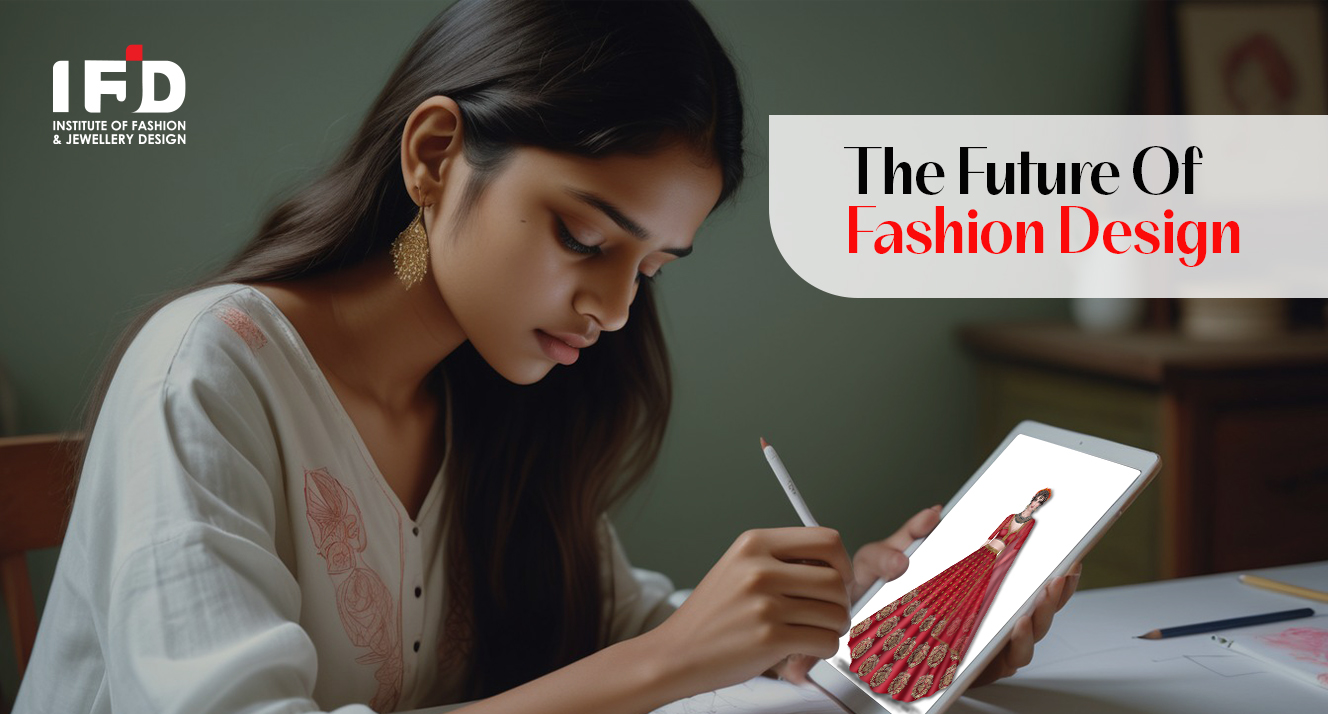
The fashion industry is constantly evolving, driven by technological advancements, changing consumer preferences, and a growing awareness of sustainability. As we look to the future, several trends and innovations promise to reshape the way fashion is designed, produced, and consumed. Here’s a glimpse into the future of fashion design and the exciting possibilities that lie ahead.
1. Sustainable and Ethical Fashion
The future of fashion design is heavily leaning towards eco-friendly practices and materials. Designers are increasingly incorporating sustainable fabrics like organic cotton, hemp, and recycled materials into their collections. Innovations such as biodegradable textiles and plant-based dyes are becoming mainstream, reducing the environmental impact of fashion production.
Ethical fashion is also gaining momentum. Brands are focusing on fair labor practices, ensuring that workers are paid fairly and work in safe conditions. Transparency in the supply chain is becoming a key factor for consumers when choosing brands to support.
2. Technology Integration
Technology is revolutionizing fashion design in unprecedented ways. Here are some key tech innovations transforming the industry:
– 3D Printing: This technology allows designers to create intricate designs and prototypes quickly and cost-effectively. It also enables the production of customized, made-to-order garments, reducing waste.
– Augmented Reality (AR) and Virtual Reality (VR): AR and VR are enhancing the shopping experience by allowing customers to virtually try on clothes and accessories before making a purchase. This technology is also being used in fashion shows, creating immersive experiences for audiences worldwide.
– AI and Machine Learning: Artificial intelligence is being used to predict fashion trends, optimize inventory, and personalize shopping experiences. Machine learning algorithms analyze vast amounts of data to provide insights into consumer preferences and market trends.
– Smart Textiles: Wearable technology is becoming more sophisticated, with smart textiles that can monitor health, change color, or adapt to temperature changes. These innovations offer exciting possibilities for both fashion and functionality.
3. Circular Fashion
Circular fashion emphasizes designing products with their entire lifecycle in mind, from creation to disposal. This includes designing for durability, promoting reuse and recycling, and developing systems for clothing take-back and upcycling.
Brands are exploring rental and resale models, allowing consumers to rent high-quality garments for special occasions or purchase pre-owned items at a lower cost. These practices extend the life of clothing and reduce the demand for new production.
4. Personalization and Customization
Consumers are increasingly seeking unique, personalized fashion. Advances in technology are making customization more accessible. From custom-fit clothing to personalized designs based on individual preferences, the future of fashion design is all about catering to the unique tastes and needs of each consumer.
On-demand production is another trend that supports customization. By producing garments only when an order is placed, brands can reduce waste and offer a more tailored shopping experience.
5. Inclusivity and Diversity
The future of fashion is inclusive. The industry is making strides toward representing a broader range of body types, ethnicities, and genders. Adaptive fashion, designed for people with disabilities, is also gaining attention, ensuring that fashion is accessible to everyone.
Designers are increasingly drawing inspiration from diverse cultures and backgrounds, creating collections that celebrate global influences and promote cultural appreciation.
6. Digital Fashion and Virtual Influencers
As the digital world expands, so does the concept of digital fashion. Virtual garments, which exist only in the digital realm, are becoming popular for social media and virtual events. These digital designs allow for limitless creativity and have a smaller environmental footprint compared to physical clothing.
Virtual influencers, computer-generated characters with large social media followings, are also emerging as trendsetters in the fashion industry. These influencers collaborate with brands, wear digital designs, and engage with audiences, blurring the lines between reality and the digital world.
Conclusion
The future of fashion design is bright, innovative, and sustainable. As technology advances and consumer values shift, the industry is poised for exciting transformations. By embracing sustainability, leveraging technology, and prioritizing inclusivity, designers can create a future where fashion is not only beautiful and functional but also ethical and environmentally conscious. Stay ahead of the curve by keeping an eye on these trends and innovations – the future of fashion is already here, and it’s more inspiring than ever.