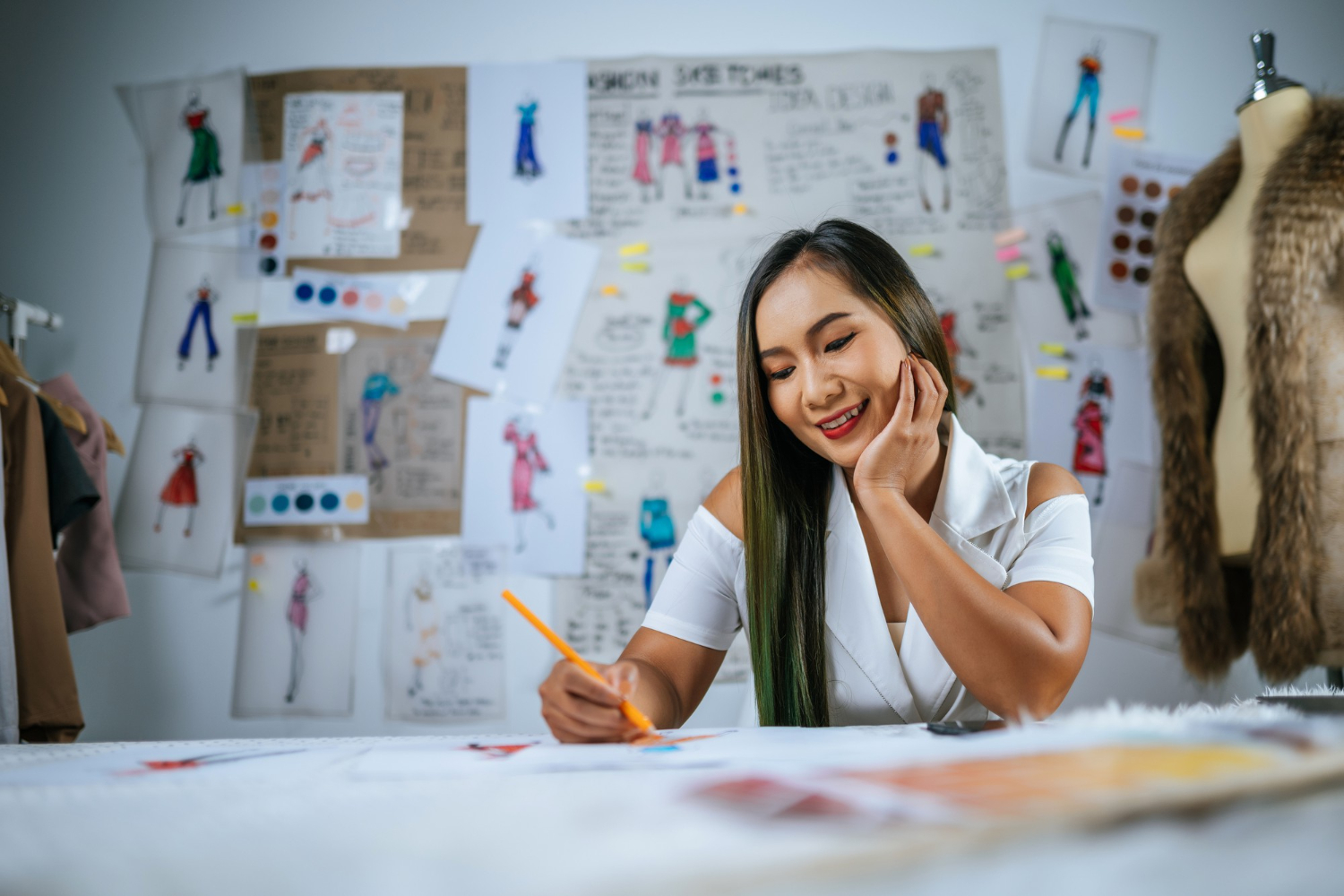
The fashion industry in 2026 is more competitive, technology-driven, and globally connected than ever before. Becoming a successful fashion designer today requires far more than creativity—it demands a balanced combination of artistic vision, technical expertise, digital fluency, and business acumen. If you are aspiring to build a career in fashion, understanding the core skills for fashion designer success is crucial. Whether you want to launch your own label, work with global brands, or become a freelance designer, mastering these skills will set you apart in a rapidly evolving industry.
In this comprehensive guide, we’ll break down the most important skills you need, along with practical tips, challenges, and career insights based on real-world industry expectations.
Why Skills Matter More Than Ever in 2026
The modern fashion landscape has shifted dramatically due to:
- Rise of sustainable and ethical fashion
- Growth of digital fashion and AI-based design tools
- Increasing demand for personalisation
- Expansion of e-commerce and global markets
As a result, employers and clients are looking for multi-skilled designers who can adapt quickly, innovate consistently, and understand both design and business.
Core Skills for Fashion Designer Success
1. Creativity and Artistic Vision
Creativity remains the foundation of fashion design. It’s what allows designers to create unique collections that stand out in a crowded market.
What this includes:
- Concept development
- Colour combinations and styling
- Trend interpretation
- Innovative design thinking
Practical Tip:
Start building a mood board for every idea. Use inspiration from art, culture, architecture, and everyday life.
Challenge:
Many beginners struggle with originality. Avoid copying trends blindly—focus on creating your own design identity.
2. Strong Drawing and Sketching Skills
Even in a digital era, sketching is still one of the most important skills for becoming a fashion designer.
Why it matters:
- Helps visualise ideas quickly
- Communicates design concepts to clients and teams
- Builds a strong portfolio
Tools to learn:
- Hand sketching
- Digital sketching (using tablets and apps)
Pro Tip:
Practice daily figure drawing and garment detailing to improve precision.
3. Knowledge of Fabrics and Textiles
Understanding fabrics is essential for turning design ideas into wearable garments.
Key areas:
- Fabric types (cotton, silk, denim, etc.)
- Fabric behaviour (stretch, durability, fall)
- Sustainable materials
Industry Insight:
In 2026, sustainable textiles like organic cotton and recycled fabrics will be in high demand.
Risk:
Choosing the wrong fabric can completely ruin a design’s look and functionality.
4. Technical Skills (Pattern Making & Garment Construction)
A great design is useless if it cannot be constructed properly.
Must-have technical skills:
- Pattern drafting
- Draping techniques
- Sewing and stitching
- Garment fitting
Benefit:
Designers with technical knowledge are highly valued because they can oversee production efficiently.
5. Digital Design Skills
Technology is reshaping fashion, making digital skills essential.
Tools to learn:
- Adobe Illustrator
- Adobe Photoshop
- CLO 3D (for virtual fashion design)
- CAD software
Why it’s important:
- Speeds up the design process
- Enables virtual prototyping
- Reduces production costs
Future Trend:
Digital fashion (virtual clothing for avatars and gaming) is emerging as a major industry segment.
6. Trend Research and Forecasting
Fashion is all about staying ahead of trends.
Key abilities:
- Analysing global fashion trends
- Understanding consumer behaviour
- Predicting future styles
Sources:
- Fashion shows
- Social media platforms
- Market research reports
Tip:
Follow international fashion weeks and trend forecasting platforms regularly.
7. Attention to Detail
Small details can make or break a design.
Focus areas:
- Stitching quality
- Fabric finishing
- Color accuracy
- Design symmetry
Real-world Example:
Luxury brands are known for their precision—this is what justifies their premium pricing.
8. Communication and Collaboration Skills
Fashion designers rarely work alone. You’ll collaborate with:
- Tailors
- Merchandisers
- Marketing teams
- Clients
Why this matters:
Clear communication ensures your design vision is executed correctly.
Tip:
Practice presenting your ideas confidently through portfolios and presentations.
9. Business and Marketing Knowledge
To succeed in fashion, you must understand the business side.
Key concepts:
- Branding
- Pricing strategies
- Fashion merchandising
- Digital marketing
Benefit:
If you plan to start your own label, business skills are non-negotiable.
10. Time Management and Adaptability
The fashion industry is fast-paced with tight deadlines.
You need to:
- Manage multiple projects
- Meet production timelines
- Adapt to last-minute changes
Challenge:
Handling pressure and deadlines can be stressful, especially during fashion shows or collection launches.
Emerging Skills for Fashion Designers in 2026
Sustainability Awareness
Consumers are becoming eco-conscious. Designers must:
- Use sustainable materials
- Reduce waste
- Adopt ethical production practices
AI and Technology Integration
AI is now used for:
- Trend prediction
- Design automation
- Customer personalization
Designers who understand AI tools will have a competitive advantage.
Personal Branding
In 2026, designers are also influencers.
Platforms to focus on:
- Fashion portfolios
Building a strong personal brand can attract clients and job opportunities.
Benefits of Developing These Skills
- Higher job opportunities in global markets
- Ability to start your own fashion label
- Increased earning potential
- Strong professional credibility
Challenges You Should Be Prepared For
- High competition in the fashion industry
- Constant need to upgrade skills
- Financial risks of starting your own brand
- Pressure to stay relevant with trends
Practical Tips to Build Fashion Design Skills
- Enrol in a professional fashion design course
- Create a strong portfolio with diverse designs
- Do internships with fashion brands
- Participate in fashion shows and competitions
- Stay updated with global fashion trends
Conclusion
In 2026, the fashion industry demands a well-rounded skill set that goes beyond creativity. To truly succeed, aspiring designers must blend artistic vision with technical expertise, digital proficiency, and business understanding. Mastering these essential skills for fashion designer roles not only helps you create impactful designs but also prepares you to adapt to industry trends, sustainability demands, and evolving technologies. By continuously learning and refining your abilities, you can build a strong foundation and confidently step into the competitive world of fashion.
FAQs – Skills for Fashion Designer
1. What skills are required to become a fashion designer?
You need creativity, sketching ability, fabric knowledge, technical skills, digital design expertise, and business understanding.
2. Is drawing compulsory for fashion designing?
Yes, basic drawing skills are important to visualise and communicate design ideas effectively.
3. Can I become a fashion designer without a degree?
Yes, but having professional training helps you gain structured knowledge, credibility, and industry exposure.
4. What software should fashion designers learn in 2026?
Adobe Illustrator, Photoshop, and 3D design tools like CLO 3D are highly recommended.
5. How long does it take to develop fashion design skills?
It typically takes 1–3 years of dedicated learning and practice to build strong foundational skills.
Start Your Fashion Career with IFJD Today
Turn your creativity into a successful profession with expert-led training at IFJD. Gain industry-ready skills, build a strong portfolio, and step confidently into the world of fashion design. Contact IFJD now and take the first step towards becoming a professional fashion designer.