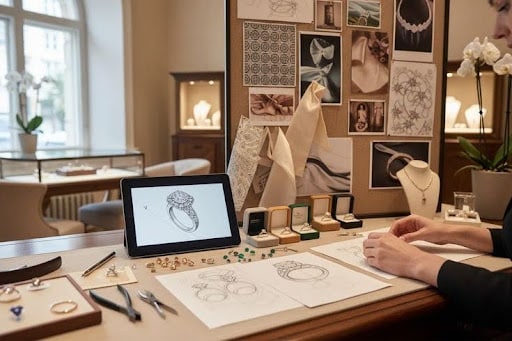
Jewellery has been an essential part of human culture for centuries. From royal ornaments and religious symbols to contemporary fashion accessories, jewellery reflects personal style, tradition, craftsmanship, and cultural heritage. As the jewellery industry continues to evolve, designers blend traditional artistry with modern innovation to create unique pieces that cater to diverse consumer preferences. Understanding the various types of jewellery design is important for aspiring designers, jewellery enthusiasts, and students considering a career in jewellery design.
Today, jewellery design is generally divided into two major categories: traditional and modern. Each style has its own characteristics, advantages, challenges, and market appeal.
In this guide, we’ll explore the differences between traditional and modern jewellery styles, their significance in the industry, and how designers combine both approaches to create stunning collections.
What Is Jewellery Design?
Jewellery design is the process of conceptualising and creating ornaments using metals, gemstones, beads, and other materials. Designers use creativity, technical knowledge, and craftsmanship to develop jewellery pieces that are aesthetically appealing and functional.
Jewellery design includes:
- Necklaces
- Earrings
- Rings
- Bracelets
- Pendants
- Brooches
- Bridal jewellery
- Fashion jewellery
Understanding the different types of jewellery design helps designers cater to specific customer preferences and market trends.
Traditional Jewellery Design
Traditional jewellery design refers to styles inspired by cultural heritage, historical influences, and time-tested craftsmanship techniques. These designs often carry symbolic meanings and are commonly worn during weddings, festivals, and special occasions.
Characteristics of Traditional Jewellery Design
Traditional jewellery typically features:
- Intricate craftsmanship
- Detailed handwork
- Cultural motifs
- Precious metals like gold and silver
- Traditional gemstone settings
- Heritage-inspired patterns
These designs often represent regional identities and historical influences.
Popular Types of Traditional Jewellery Design
1. Kundan Jewellery
Kundan jewellery originated in royal courts and is known for its elaborate gemstone settings using gold foil techniques.
Features include:
- Uncut gemstones
- Intricate detailing
- Luxurious appearance
- Popular bridal jewellery
2. Meenakari Jewellery
Meenakari involves decorating metal surfaces with colourful enamel work.
Benefits include:
- Vibrant designs
- Artistic craftsmanship
- Traditional appeal
3. Temple Jewellery
Temple jewellery is inspired by religious architecture and deities.
Common features:
- Gold craftsmanship
- Divine motifs
- Popular in South Indian bridal wear
4. Polki Jewellery
Polki jewellery uses uncut natural diamonds and is often associated with royal elegance.
5. Jadau Jewellery
Jadau jewellery combines precious stones with traditional hand-setting techniques and remains highly valued for bridal collections.
Benefits of Traditional Jewellery Design
Traditional jewellery offers several advantages:
1. Cultural Significance
These designs preserve heritage and cultural identity.
2. Timeless Appeal
Traditional jewellery often remains fashionable across generations.
3. Investment Value
Many traditional pieces use precious materials that retain long-term value.
4. Craftsmanship Excellence
Handcrafted techniques showcase exceptional artistic skills.
Challenges of Traditional Jewellery Design
While traditional jewellery remains popular, designers may face certain challenges.
1. Higher Production Costs
Detailed craftsmanship requires significant time and expertise.
2. Limited Everyday Use
Many traditional pieces are designed for special occasions rather than daily wear.
3. Heavier Designs
Traditional jewellery can sometimes be less comfortable compared to modern alternatives.
Modern Jewellery Design
Modern jewellery design focuses on innovation, minimalism, functionality, and contemporary aesthetics. It reflects changing lifestyles and evolving fashion preferences.
Modern jewellery appeals to consumers seeking versatile, lightweight, and stylish accessories.
Characteristics of Modern Jewellery Design
Modern designs often feature:
- Clean lines
- Minimalist aesthetics
- Geometric shapes
- Lightweight materials
- Experimental concepts
- Contemporary styling
These designs are often suitable for both casual and professional settings.
Popular Types of Modern Jewellery Design
1. Minimalist Jewellery
Minimalist jewellery focuses on simplicity and elegance.
Common examples:
- Delicate rings
- Simple chains
- Small pendants
2. Geometric Jewellery
Geometric designs incorporate shapes such as:
- Circles
- Triangles
- Squares
- Abstract forms
These styles are particularly popular among younger consumers.
3. Contemporary Statement Jewellery
Statement jewellery uses bold designs to create visual impact.
Features include:
- Unique structures
- Artistic concepts
- Fashion-forward appeal
4. Personalised Jewellery
Customised jewellery continues to gain popularity.
Examples include:
- Name necklaces
- Initial pendants
- Customized rings
5. Sustainable Jewellery
Eco-conscious consumers increasingly prefer sustainable jewellery made using ethical materials and environmentally responsible practices.
Benefits of Modern Jewellery Design
1. Versatility
Modern jewellery can be worn daily and complements a variety of outfits.
2. Lightweight Comfort
Many contemporary designs prioritise comfort and practicality.
3. Broad Consumer Appeal
Modern styles attract diverse age groups and fashion preferences.
4. Innovation Opportunities
Designers can experiment with new materials, technologies, and concepts.
Challenges of Modern Jewellery Design
Modern jewellery also presents certain challenges.
1. Rapid Trend Changes
A 2026 fashion trend evolves quickly, requiring constant innovation.
2. Competitive Market
The popularity of modern jewellery increases competition among designers.
3. Balancing Creativity and Commercial Appeal
Designers must create original designs while ensuring market demand.
The Rise of Fusion Jewellery
One of the most exciting developments in recent years is fusion jewellery design.
The fusion jewellery design combines traditional craftsmanship with modern aesthetics, creating pieces that appeal to contemporary consumers while preserving cultural elements.
Examples include:
- Minimalist Kundan jewellery
- Modern temple-inspired designs
- Contemporary Polki collections
Fusion styles represent a growing segment within the jewellery industry.
Traditional vs Modern Jewellery Design
1. Design Philosophy
Traditional jewellery focuses on heritage and cultural significance, while modern jewellery emphasises innovation and contemporary aesthetics.
2. Materials Used
Traditional designs typically use gold, silver, and precious gemstones. Modern jewellery often incorporates alternative materials such as stainless steel, resin, and mixed media.
3. Target Audience
Traditional jewellery is commonly associated with weddings and celebrations, whereas modern jewellery appeals to everyday fashion-conscious consumers.
4. Production Techniques
Traditional jewellery relies heavily on handcraftsmanship, while modern jewellery often incorporates CAD software and advanced manufacturing technologies.
Career Opportunities in Jewellery Design
Understanding different types of jewellery design opens doors to numerous career opportunities.
Potential career paths include:
- Jewellery Designer
- CAD Jewellery Designer
- Gemstone Consultant
- Jewellery Merchandiser
- Product Developer
- Jewellery Entrepreneur
As consumer demand evolves, skilled designers who understand both traditional and modern styles are highly sought after.
Practical Tips for Aspiring Jewellery Designers
1. Study Both Traditional and Modern Styles
A versatile skill set increases career opportunities.
2. Learn CAD Software
Digital design tools are becoming industry standards.
3. Understand Gemstones and Materials
Technical knowledge enhances design quality.
4. Build a Strong Portfolio
Showcase diverse styles and concepts.
5. Follow Industry Trends
Stay updated with changing consumer preferences and market developments.
Conclusion
The world of jewellery is rich with creativity, craftsmanship, and cultural significance. Understanding the various types of jewellery design helps consumers appreciate different styles while enabling aspiring designers to explore diverse creative opportunities. Traditional jewellery continues to preserve heritage and artistry, while modern jewellery reflects innovation and contemporary lifestyles. Together, these styles shape a dynamic and evolving industry with endless possibilities.
FAQs
1. What are the main types of jewellery design?
The main types include traditional jewellery design, modern jewellery design, fusion jewellery, bridal jewellery, fashion jewellery, and customised jewellery.
2. Which jewellery design style is more popular today?
Both styles are popular. Traditional jewellery dominates weddings and cultural events, while modern jewellery is preferred for everyday wear.
3. What is fusion jewellery design?
Fusion jewellery combines traditional craftsmanship with contemporary aesthetics to create versatile and fashionable pieces.
4. Can jewellery designers work with both traditional and modern styles?
Yes. Many successful designers specialise in both styles to serve a wider customer base.
5. Is jewellery designing a good career option?
Yes. Jewellery designing offers creative, entrepreneurial, and professional opportunities across the luxury, fashion, and retail industries.
Start Your Jewellery Design Journey with IFJD
If you’re passionate about jewellery, creativity, and design, IFJD (Institute of Fashion & Jewellery Design) provides industry-focused training, practical experience, CAD learning, and expert mentorship to help students build successful careers in jewellery design. Whether you’re interested in traditional craftsmanship or modern jewellery innovation, IFJD can help transform your creative passion into professional success.