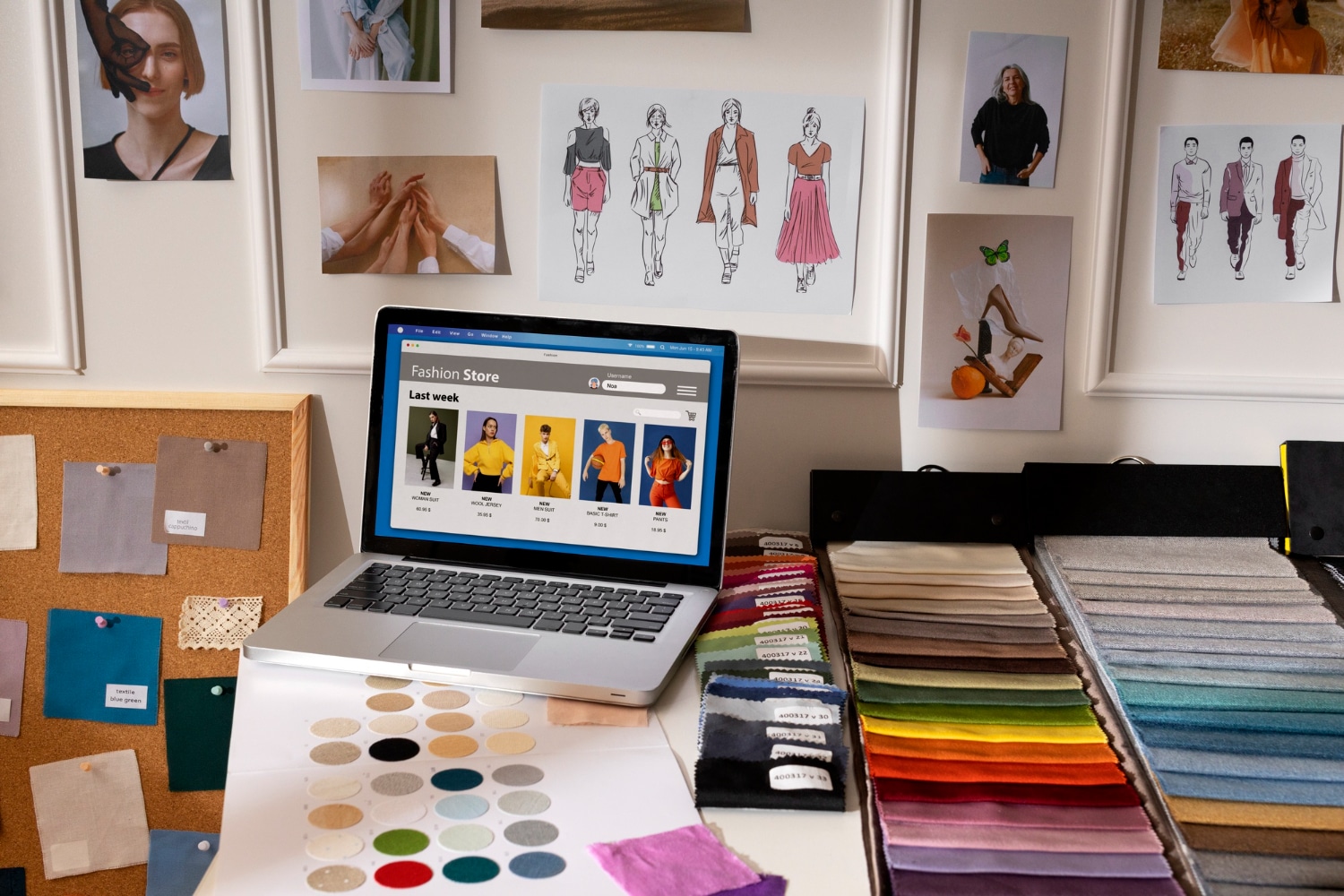
The fashion industry is evolving rapidly with the integration of technology, artificial intelligence, and virtual experiences. Traditional fashion designing is no longer limited to sketching garments on paper or creating physical samples. Today, digital fashion designing and 3D designing are transforming how designers create, present, and sell fashion collections. From virtual clothing and AI-powered design tools to 3D garment simulation and metaverse fashion, the industry is entering a completely new era. As brands focus on sustainability, faster production, and digital experiences, the demand for professionals skilled in digital fashion design is growing significantly.
For students and aspiring designers, this shift is creating exciting new career opportunities. Understanding digital fashion and 3D designing can help future designers stay ahead in a competitive and technology-driven market.
This guide explains everything about digital fashion designing, including career scope, tools, salaries, benefits, challenges, and future industry trends from 2026 onwards.
What is Digital Fashion Designing?
Digital fashion designing refers to the process of creating fashion concepts, garments, and collections using digital tools and software instead of relying only on traditional manual methods.
Designers use advanced software to:
- Create virtual garments
- Simulate fabrics and textures
- Develop 3D clothing models
- Present collections digitally
- Reduce physical sampling
Digital fashion combines creativity with technology to improve efficiency and innovation.
What is 3D Fashion Designing?
3D fashion designing is a specialised part of digital fashion where garments are created and visualised in three-dimensional form using software.
Key Features of 3D Fashion Design
- Realistic garment simulation
- Virtual fitting and draping
- Fabric movement visualisation
- Digital prototyping
- Faster product development
This technology allows designers to see how garments will look and behave before manufacturing them physically.
Why Digital Fashion is Growing Rapidly
Several industry changes are driving this growth.
1. Rise of E-Commerce
Online shopping requires better digital visualisation of products.
2. Demand for Sustainability
Brands want to reduce waste and overproduction.
3. Faster Fashion Production
Digital workflows reduce design and production time.
4. Growth of Virtual Platforms
Gaming, metaverse, and digital influencers are creating new fashion markets.
5. AI and Technology Integration
Artificial intelligence is improving trend forecasting and design automation.
Important Tools Used in Digital Fashion Designing
Modern designers are expected to understand professional software tools.
Popular Digital Fashion Tools
1. CLO 3D
One of the most popular 3D garment simulation software.
2. Browzwear
Used for digital prototyping and visualisation.
3. Adobe Illustrator
Important for technical fashion drawings.
4. Blender
Used for 3D modelling and visualisation.
5. Marvellous Designer
Popular for realistic clothing simulation.
Career Opportunities in Digital Fashion Designing
The career opportunity in the industry is creating multiple new-age career paths.
1. Digital Fashion Designer
Create virtual garments and collections.
2. 3D Garment Designer
Develop realistic garment simulations.
3. Fashion CAD Specialist
Work on technical fashion drawings and production files.
4. Fashion Technology Expert
Bridge the gap between fashion and software technology.
5. Virtual Stylist
Style digital avatars and online personalities.
6. Fashion Content Creator
Create digital fashion content for social media and brands.
7. Fashion Entrepreneur
Launch digital-first fashion brands or virtual clothing collections.
Salary in Digital Fashion Designing
Salary depends on software expertise, creativity, and experience.
| Experience Level | Average Salary |
| Fresher | ₹3 – ₹6 LPA |
| Mid-Level | ₹6 – ₹12 LPA |
| Experienced Professionals | ₹15+ LPA |
Freelancers and digital fashion entrepreneurs can earn even more through international projects and online platforms.
Skills Required for Digital Fashion Designing
Success in digital fashion requires both creative and technical abilities.
Essential Skills
- Creativity and fashion sense
- Knowledge of garment construction
- Understanding of fabrics and textures
- 3D software proficiency
- CAD skills
- Trend forecasting
- Communication and presentation skills
Benefits of Digital Fashion Designing
1. Faster Design Process
Designers can create and modify garments quickly.
2. Reduced Production Costs
Fewer physical samples are needed.
3. Sustainable Fashion Development
Digital workflows reduce material waste.
4. Better Client Presentation
3D visualisation improves communication with clients and brands.
5. Global Career Opportunities
Digital skills allow designers to work remotely with international brands.
Challenges & Risks in Digital Fashion Designing
To provide a realistic and balanced perspective:
1. Continuous Technology Changes
Software and tools evolve rapidly.
2. Learning Curve
Advanced software requires time and practice.
3. High Competition
The field is growing quickly.
4. Dependence on Technology
Strong technical knowledge is necessary.
Digital Fashion vs Traditional Fashion Designing
| Factor | Traditional Fashion | Digital Fashion |
| Design Method | Manual sketches | Software-based |
| Sample Creation | Physical samples | Virtual simulation |
| Speed | Slower | Faster |
| Sustainability | More waste | Eco-friendly |
| Presentation | Physical portfolios | Digital visualization |
Both approaches are valuable, but digital fashion is becoming increasingly important.
Future of Digital Fashion Designing in India
India is expected to become a major player digitally due to:
- Growing fashion-tech startups
- Expansion of e-commerce
- Rising demand for virtual experiences
- Increased adoption of AI and 3D tools
Fashion brands are actively seeking designers who understand both fashion and technology.
Practical Tips for Students
1. Learn Industry Software
Focus on:
- CLO 3D
- Adobe Illustrator
- Blender
2. Build Digital Portfolio
Showcase:
- 3D garments
- Virtual collections
- Technical designs
3. Follow Industry Trends
Stay updated with:
- AI in fashion
- Virtual fashion shows
- Sustainable design practices
4. Gain Practical Experience
Internships and freelance projects improve real-world exposure.
5. Develop Personal Brand
Use LinkedIn and Instagram professionally.
Common Mistakes to Avoid
- Ignoring traditional fashion fundamentals
- Learning software without understanding garment construction
- Avoiding portfolio development
- Not upgrading skills regularly
- Depending only on theory-based learning
Is Digital Fashion Designing a Good Career?
Yes, digital fashion designing is becoming one of the most promising creative careers.
The demand for:
- 3D visualization
- sustainable production
- virtual fashion
- digital presentation
is expected to increase significantly from 2026 onwards.
Students who combine creativity with technology will have better career opportunities in the future.
Conclusion
The rise of digital fashion designing and 3D technology is reshaping the future of the fashion industry. From virtual clothing and sustainable production to AI-driven design processes, technology is creating entirely new career opportunities for aspiring designers.
Students who learn digital tools, build strong portfolios, and stay updated with industry trends will have a major advantage in the coming years. While the industry is competitive, the demand for skilled digital fashion professionals is expected to grow rapidly between 2026 and 2030.
FAQs – Digital Fashion Designing
1. What is digital fashion designing?
Digital fashion designing involves creating garments and fashion concepts using digital software and technology.
2. Which software is best for digital fashion design?
CLO 3D, Browzwear, Adobe Illustrator, and Blender are widely used.
3. Is digital fashion designing a good career in India?
Yes, it offers growing opportunities due to technology integration in the fashion industry.
4. Do I need coding skills for digital fashion designing?
No, coding is not mandatory, but software knowledge is important.
5. Can I learn digital fashion after 12th?
Yes, many fashion institutes offer beginner-friendly courses after 12th.
Start Your Digital Fashion Journey with IFJD
If you want to build a future-ready career in digital fashion design, choosing the right institute is essential. At IFJD (Institute of Fashion & Jewellery Design), students receive practical training, expert guidance, software exposure, and industry-focused learning designed for the modern fashion industry. Contact IFJD today and prepare yourself for the future of digital fashion and 3D designing.