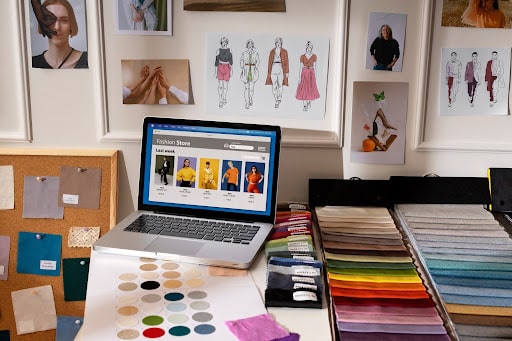
A strong fashion design portfolio is one of the most valuable assets for any aspiring fashion designer. Whether you’re applying to a fashion design institute, seeking an internship, interviewing for a job, or launching your own fashion label, your portfolio speaks louder than your resume. It showcases your creativity, technical skills, design process, and personal style.
In today’s competitive fashion industry, employers and admission panels don’t just want to see beautiful sketches; they want to understand how you think as a designer. A well-organized portfolio demonstrates your ability to research trends, develop concepts, create garments, and present your work professionally.
The good news is that building an impressive portfolio doesn’t require years of experience. With the right planning, creativity, and attention to detail, students can create a portfolio that stands out and opens doors to exciting opportunities.
In this guide, you’ll learn how to build a professional fashion design portfolio, what to include, common mistakes to avoid, and practical tips to impress recruiters and fashion institutes.
What Is a Fashion Design Portfolio?
A fashion design portfolio is a collection of your best creative work that highlights your design abilities and technical knowledge. It reflects your unique design style and demonstrates your understanding of fashion concepts, garment construction, fabrics, colour combinations, and illustration techniques.
Unlike a resume, a portfolio provides visual proof of your skills. It allows employers, clients, or admission panels to evaluate your creativity, problem-solving ability, and potential as a designer.
Why Is a Fashion Design Portfolio Important?
A professional portfolio is often the deciding factor when applying for fashion-related opportunities.
A strong portfolio helps you:
- Showcase your creativity and originality
- Demonstrate technical and artistic skills
- Highlight your design process
- Stand out from other applicants
- Increase your chances of internships and placements
- Build confidence during interviews
Many employers value a well-prepared portfolio even more than academic scores.
What Should a Fashion Design Portfolio Include?
1. Personal Introduction
Start with a brief introduction about yourself.
Include:
- Your name
- Career objective
- Design interests
- Creative inspiration
- Contact information
Keep this section concise and professional.
2. Mood Boards and Inspiration
Every great fashion collection starts with research and inspiration.
Your portfolio should include mood boards showing:
- Fashion inspirations
- Colour palettes
- Fabric references
- Trend research
- Lifestyle concepts
This helps viewers understand your creative thought process.
3. Fashion Illustrations
Fashion illustrations remain one of the most important parts of any fashion design portfolio.
Include:
- Hand-drawn illustrations
- Digital illustrations
- Croquis
- Front and back views
- Detailed garment sketches
Ensure your drawings are neat, creative, and professionally presented.
4. Fabric and Textile Knowledge
Fashion designers should demonstrate an understanding of materials.
Include:
- Fabric swatches
- Textile experiments
- Surface ornamentation
- Print development
- Embroidery samples
Showing material knowledge reflects technical expertise.
5. Technical Drawings
Technical flats communicate garment construction clearly.
Include:
- Front views
- Back views
- Stitch details
- Measurements
- Construction notes
These drawings show that you understand both production and design.
6. Garment Construction Projects
If you’ve created actual garments, include high-quality photographs.
Show:
- Finished garments
- Construction process
- Pattern development
- Sewing techniques
- Fit improvements
Real projects make your portfolio stronger and more credible.
7. Fashion Collections
Instead of displaying unrelated designs, create small themed collections.
Examples include:
- Bridal wear
- Casual wear
- Sustainable fashion
- Streetwear
- Ethnic wear
- Resort wear
A cohesive collection demonstrates planning and creative direction.
8. CAD Fashion Designs
Modern fashion brands increasingly use digital design tools.
Include examples created using fashion CAD software if possible.
Digital illustrations and technical drawings highlight your readiness for today’s fashion industry.
Tips to Make Your Fashion Design Portfolio Stand Out
1. Keep Quality Over Quantity
Include only your strongest work.
Ten outstanding projects create a better impression than thirty average ones.
2. Show Your Design Process
Don’t only display final sketches.
Include:
- Initial concepts
- Research
- Mood boards
- Development stages
- Outcomes
Employers appreciate seeing how your ideas evolve.
3. Maintain a Consistent Layout
Use a clean and professional presentation.
Maintain consistency in:
- Fonts
- Colours
- Spacing
- Page design
- Image quality
A well-organized portfolio reflects professionalism.
4. Add Variety
Demonstrate versatility by including different design styles and techniques.
A balanced portfolio might feature:
- Women’s wear
- Men’s wear
- Ethnic wear
- Contemporary fashion
- Textile experiments
Variety showcases adaptability.
5. Include Original Work
Avoid copying existing fashion designs.
Your portfolio should reflect your creativity and unique design perspective.
Original ideas leave a lasting impression.
Common Mistakes to Avoid
1. Including Too Much Work
A lengthy portfolio can overwhelm reviewers.
Select your best projects instead of everything you’ve created.
2. Poor Image Quality
Blurry photographs or scanned sketches reduce the professional appearance of your portfolio.
Use high-resolution images with proper lighting.
3. Ignoring Technical Details
Beautiful illustrations alone aren’t enough.
Include technical drawings, fabric knowledge, and garment construction details.
4. Following Trends Without Personal Style
While trend awareness is important, your portfolio should also reflect your own design identity.
Develop a signature style that sets you apart.
Benefits of a Strong Fashion Design Portfolio
A professional fashion design portfolio provides long-term career advantages.
1. Better Admission Opportunities
Many leading fashion design institutes evaluate portfolios during admissions.
2. Improved Internship Chances
Recruiters often shortlist students based on portfolio quality.
3. Stronger Job Applications
Employers gain confidence in your practical abilities.
4. Freelancing Opportunities
A portfolio helps attract clients and showcase your expertise.
5. Personal Branding
It becomes an important part of your professional identity.
Practical Tips for Students
- Update your portfolio regularly.
- Replace older projects with stronger work.
- Practice sketching consistently.
- Learn fashion illustration software.
- Stay updated with fashion trends.
- Seek feedback from mentors and industry professionals.
Continuous improvement makes your portfolio more competitive.
Digital vs Physical Portfolio
Today, both formats are valuable.
Physical Portfolio
Ideal for institute admissions, exhibitions, and face-to-face interviews.
Digital Portfolio
Useful for:
- Job applications
- Freelancing
- Social media
- Personal websites
- LinkedIn profiles
Having both versions ensures you’re prepared for different opportunities.
Final Thoughts
A well-crafted fashion design portfolio is much more than a collection of sketches—it tells your story as a designer. It reflects your creativity, technical knowledge, design thinking, and passion for fashion.
Whether you’re applying to a fashion design course, seeking internships, or starting your professional journey, investing time in building a thoughtful portfolio can significantly improve your opportunities.
Focus on quality, originality, presentation, and continuous improvement. As your skills grow, your portfolio should evolve alongside your creative journey.
Remember, every successful fashion designer started with a portfolio that reflected their vision and potential.
FAQs
1. What should a fashion design portfolio include?
A portfolio should include fashion illustrations, mood boards, technical drawings, fabric studies, garment projects, CAD designs, and themed collections.
2. How many projects should I include in my portfolio?
Quality matters more than quantity. Around 10–15 of your best projects are usually sufficient.
3. Do I need a digital fashion design portfolio?
Yes. A digital portfolio is useful for online applications, freelancing, and sharing your work with employers or clients.
4. Can beginners create a professional fashion design portfolio?
Absolutely. Students can build an impressive portfolio by showcasing coursework, personal projects, sketches, and creative collections.
5. How often should I update my fashion design portfolio?
Review and update your portfolio regularly by adding stronger projects, removing outdated work, and reflecting your latest skills.
Create a Portfolio That Opens Career Opportunities with IFJD
At IFJD, students receive practical training in fashion illustration, garment construction, textile studies, CAD design, and portfolio development. With expert faculty, hands-on projects, and industry-oriented learning, IFJD helps aspiring designers create professional portfolios that stand out during admissions, internships, and job interviews. Join IFJD and build a fashion design portfolio that showcases your creativity, technical expertise, and readiness for a successful career in the fashion industry.