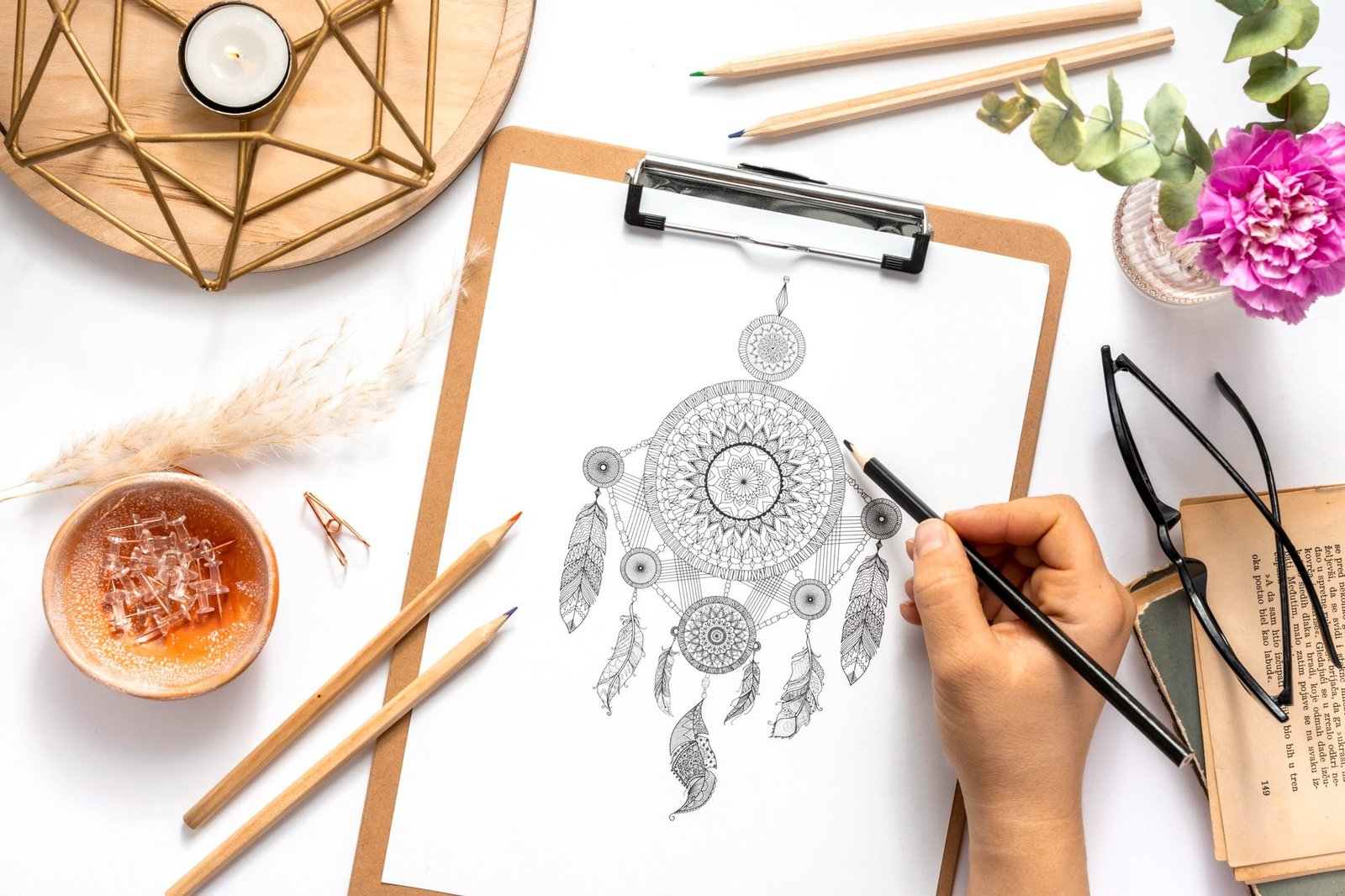
Every beautiful jewellery piece begins with an idea, and every idea starts with a sketch. Before a ring is crafted, a necklace is manufactured, or a bracelet reaches a customer, it is first visualised on paper or digitally. That’s why jewellery sketching is one of the most important skills for beginners interested in jewellery design.
Whether you dream of becoming a professional jewellery designer, starting your own jewellery brand, or joining a jewellery designing course, learning to sketch helps you communicate your creative ideas clearly. Jewellery sketching is not about creating perfect artwork—it is about expressing design concepts accurately and preparing them for production.
In this guide, you’ll learn the fundamentals of jewellery sketching, the essential tools you’ll need, common mistakes to avoid, and practical techniques that will help you improve your skills with regular practice.
What Is Jewellery Sketching?
Jewellery sketching is the process of creating visual representations of jewellery ideas before they are manufactured. Designers use sketches to experiment with shapes, gemstone placements, proportions, textures, and design concepts.
Sketches serve as the foundation for:
- Ring designs
- Earrings
- Necklaces
- Bangles
- Bracelets
- Pendants
- Brooches
Professional sketches also help communicate ideas to clients, manufacturers, and CAD designers.
Why Jewellery Sketching Is Important
Learning jewellery design sketching offers several advantages for aspiring designers.
1. Visualise Your Ideas
Sketching allows designers to explore multiple concepts before selecting the final design.
2. Improve Creativity
Regular sketching develops imagination and encourages creative problem-solving.
3. Prepare Designs for Production
Sketches make it easier to create CAD models and manufacture jewellery accurately.
4. Build a Strong Portfolio
High-quality sketches become an important part of your portfolio when applying for internships or jobs.
5. Develop Professional Skills
Sketching improves observation, proportion, detailing, and presentation skills.
Essential Tools for Jewellery Sketching
You don’t need expensive equipment to start. Most beginners can begin with basic jewellery design tools and art materials.
1. Drawing Pencils
Use different pencil grades such as HB, 2B, and 4B for outlines, shading, and fine details.
2. Eraser
A quality eraser helps correct mistakes and refine your drawings without damaging the paper.
3. Sketchbook
Choose smooth, thick paper suitable for detailed jewellery illustrations.
4. Fine Liners
Fine-tip pens help create clean outlines and technical details.
5. Colour Pencils or Markers
These are useful for showing gemstones, metal finishes, and colour combinations.
6. Ruler and Circle Templates
These tools help maintain symmetry and accurate proportions, especially for rings and geometric designs.
Understanding Jewellery Design Basics
Before creating complex designs, beginners should understand the fundamentals of jewellery construction.
1. Learn Basic Shapes
Most jewellery designs begin with simple geometric forms like circles, ovals, squares, and rectangles.
Practice combining these shapes into rings, pendants, and earrings.
2. Study Proportion
Balanced proportions make jewellery designs look realistic and wearable.
Pay attention to:
- Stone size
- Band thickness
- Chain length
- Pendant dimensions
- Earring symmetry
3. Observe Existing Jewellery
Study jewellery sold in stores, exhibitions, and online collections.
Notice:
- Stone settings
- Metal finishes
- Design styles
- Decorative patterns
Observation improves your understanding of professional design standards.
Step-by-Step Jewellery Sketching Techniques
Step 1: Start with Light Guidelines
Use light pencil strokes to establish the basic shape and proportions of your jewellery piece.
Avoid pressing too hard during the initial sketch.
Step 2: Create the Main Structure
Draw the overall form of the jewellery item, including bands, chains, or settings.
Focus on accuracy rather than decoration.
Step 3: Add Gemstones
Mark the position, size, and shape of gemstones carefully.
Different gemstone cuts require different sketching approaches.
Step 4: Add Decorative Details
Include engraving, textures, beadwork, filigree, or other design elements that enhance the jewellery.
Step 5: Apply Shading
Shading creates depth and helps illustrate metal surfaces and gemstone reflections.
Practice using light and dark tones to make your sketches more realistic.
Step 6: Add Colour (Optional)
Use coloured pencils or markers to represent:
- Gold
- Silver
- Rose gold
- Diamonds
- Emeralds
- Rubies
- Sapphires
Colour makes presentations more attractive and professional.
Common Jewellery Sketching Mistakes
Even talented beginners make mistakes while learning.
1. Ignoring Proportions
Oversized gemstones or uneven bands make designs unrealistic.
Always maintain balance.
2. Too Much Detailing Too Early
Complete the basic structure before adding intricate decorative elements.
3. Poor Line Quality
Repeated dark lines make sketches look untidy.
Use confident, clean strokes.
4. Not Practising Regularly
Like any creative skill, jewellery sketching improves with consistent practice.
Daily sketching sessions produce noticeable improvement over time.
Benefits of Learning Jewellery Sketching
Mastering jewellery sketching for beginners offers long-term career advantages.
1. Stronger Portfolio
Professional sketches strengthen your portfolio and showcase creativity.
2. Better CAD Preparation
Good sketches simplify the transition to digital jewellery modelling.
3. Improved Communication
Design ideas become easier to explain to clients and manufacturers.
4. Greater Creative Confidence
Regular sketching encourages experimentation with new concepts.
5. Career Opportunities
Strong sketching skills support careers in jewellery design, product development, freelancing, and entrepreneurship.
Practical Tips to Improve Your Jewellery Sketching
If you’re serious about learning how to draw jewellery sketches, follow these expert recommendations:
- Sketch every day, even for 20–30 minutes.
- Practice drawing one jewellery category at a time.
- Study gemstones and metal finishes.
- Learn perspective and basic shading.
- Keep a sketchbook for new ideas.
- Observe jewellery from different angles.
- Accept feedback from mentors.
- Experiment with both hand-drawn sketches and digital tools.
- Build a collection of your best work for your portfolio.
Consistency is more important than perfection.
How Jewellery Sketching Supports Your Career
Whether you plan to work with luxury brands or launch your own business, jewellery sketching remains a fundamental skill.
It prepares students for:
- Jewellery design studios
- Manufacturing companies
- CAD jewellery designing
- Freelancing
- Custom jewellery businesses
- Entrepreneurship
Combined with technical knowledge and practical training, sketching forms the foundation of a successful jewellery design career.
Choosing the Right Jewellery Design Institute
Learning jewellery sketching becomes easier with professional guidance.
When selecting a jewellery design institute, look for:
- Experienced faculty
- Practical sketching sessions
- CAD jewellery designing training
- Portfolio development support
- Modern laboratories
- Industry projects
- Internship opportunities
- Placement assistance
A structured learning environment helps students improve faster and gain industry-ready skills.
Final Thoughts
Learning jewellery sketching for beginners is the first step toward becoming a professional jewellery designer. Every successful designer starts with simple sketches before progressing to complex collections and CAD models.
Don’t worry about creating perfect drawings in the beginning. Focus on understanding proportions, practising consistently, observing professional jewellery, and developing your creativity. As your confidence grows, your sketches will become more detailed, refined, and production-ready.
With dedication, proper guidance, and regular practice, jewellery sketching can become the foundation of a rewarding and creative career in the jewellery industry.
Frequently Asked Questions
1. What is jewellery sketching?
Jewellery sketching is the process of drawing jewellery concepts before they are manufactured. It helps designers visualise ideas and communicate them effectively.
2. Do I need to know drawing before learning jewellery sketching?
No. Beginners can learn jewellery sketching with regular practice. Most professional jewellery design courses start with basic drawing techniques.
3. Which tools are required for jewellery sketching?
Basic tools include pencils, erasers, sketchbooks, fine liners, rulers, colour pencils, and circle templates. Digital tools can be learned later.
4. Is jewellery sketching important for CAD jewellery designing?
Yes. Hand sketches help designers develop ideas before converting them into CAD models for manufacturing.
5. How long does it take to become good at jewellery sketching?
With consistent daily practice and proper guidance, most beginners notice significant improvement within a few months.
Start Your Jewellery Design Journey with IFJD
At IFJD, students learn jewellery sketching through a practical, industry-focused approach that combines creativity with technical skills. The curriculum includes hand-drawn illustrations, gemstone studies, CAD jewellery designing, portfolio development, and live design projects guided by experienced faculty. With modern facilities, hands-on workshops, and career support, IFJD prepares aspiring designers for successful careers in the jewellery industry. Contact IFJD and transform your creative ideas into professional jewellery designs, with the skills and confidence you need to succeed.