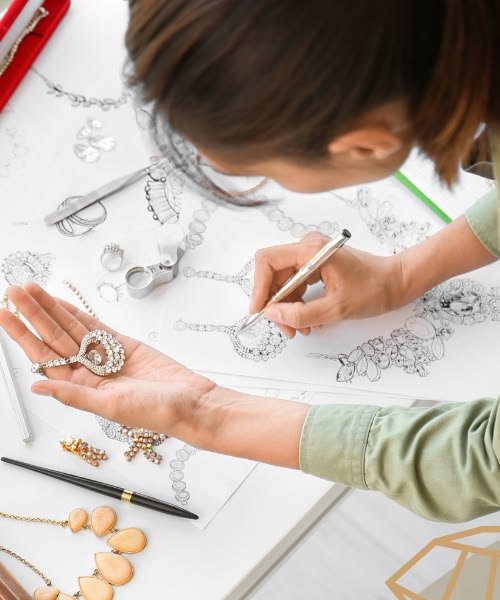
Learning jewellery design can open doors to creative career opportunities, including the possibility of starting your own jewellery business. If you enjoy developing designs, working with gemstones, exploring materials, and creating unique accessories, turning your skills into a business can be an exciting next step. However, to start a jewellery business, you also need to understand your target customers, choose the right product range, plan your budget, and develop a strong brand identity.
With the right preparation and a clear business strategy, you can turn your jewellery design skills into a business that reflects your creativity and meets customer needs. Whether you want to launch a customized jewellery brand, sell handmade accessories, or create contemporary collections, a structured approach can help you get started.
This guide explains how to start a jewellery business after learning jewellery design, covering business planning, product development, pricing, marketing, challenges, and practical steps for beginners in India.
Choose Your Jewellery Business Niche
Before investing in materials or production, decide what type of jewellery design you want to sell. A clear niche helps you identify your target audience, develop a consistent product range, and position your brand in the market.
Popular Jewellery Business Ideas
- Handmade jewellery: Earrings, necklaces, bracelets, and accessories created using beads, threads, metals, or other materials.
- Customized jewellery: Personalized rings, pendants, name jewellery, and occasion-based designs.
- Traditional Indian jewellery: Designs inspired by regional craftsmanship, cultural motifs, and traditional ornaments.
- Contemporary jewellery: Minimalist, lightweight, and everyday designs for modern customers.
- Gemstone jewellery: Products featuring precious or semi-precious stones.
- Fashion jewellery: Affordable accessories designed around seasonal trends and personal styling.
Choose a category that matches your design skills, available resources, and customer interests. You can expand into other categories once your business becomes established.
Research Your Target Market and Competitors
Market research helps you understand whether customers are interested in the jewellery you plan to create. It also helps you identify opportunities to differentiate your products.
Start by answering these questions:
- Who are your potential customers?
- What age group and budget are you targeting?
- Are they interested in everyday jewellery, wedding collections, or customized pieces?
- Which jewellery brands already serve this audience?
- What styles, materials, and price ranges are popular?
Study jewellery brands through their websites, social media pages, product catalogs, and customer reviews. Pay attention to their designs, product photography, pricing, packaging, and customer service.
You can also speak with potential customers and collect feedback on your initial designs. This helps you avoid investing heavily in products without understanding actual demand.
Create a Jewellery Business Plan
A business plan provides direction and helps you estimate the resources needed to launch your brand. It does not have to be complicated, especially when you are starting small.
Your plan should cover:
- Business name and brand identity
- Jewellery category and product range
- Target audience
- Initial investment and operating expenses
- Supplier and manufacturing arrangements
- Pricing strategy
- Sales channels
- Marketing activities
Decide Your Business Model
You can choose from several business models depending on your skills and budget.
- Own-brand manufacturing: Develop your designs and work with artisans or manufacturers to produce jewellery under your brand.
- Handmade production: Create jewellery yourself and sell directly to customers.
- Custom design services: Offer personalized jewellery based on customer requirements.
- Online jewellery store: Sell products through your website or established online marketplaces.
Start with a model that you can manage effectively. Expanding too quickly can increase costs and create operational difficulties.
Develop Your Jewellery Collection
Your jewellery design knowledge becomes especially valuable during product development. Instead of launching a large collection immediately, begin with a small range of carefully developed products.
Focus on Design and Quality
Create sketches, explore different materials, and prepare samples before finalizing your collection. Consider:
- Jewellery proportions and overall appearance
- Metal type and finish
- Gemstone quality and placement
- Comfort and durability
- Weight and wearability
- Ease of production and repair
If you work with manufacturers, provide clear design references and technical specifications. This reduces misunderstandings during production.
Build a Distinctive Brand Style
Your jewellery should have a recognizable identity. You might focus on minimalist designs, traditional Indian influences, nature-inspired patterns, or personalized accessories.
A consistent design direction helps customers understand what makes your brand different from competing businesses.
Find Reliable Jewellery Suppliers and Manufacturers
The quality of your finished jewellery depends partly on the materials and production partners you choose.
Depending on your product category, you may need suppliers for metals, gemstones, beads, findings, packaging, and other components.
Before finalizing a supplier:
- Compare material quality and prices.
- Request samples before placing large orders.
- Check consistency between batches.
- Discuss minimum order quantities and delivery timelines.
- Understand return, replacement, and payment terms.
- Maintain records of purchases and material specifications.
If you are selling precious-metal or gemstone jewellery, pay particular attention to authenticity, purity, documentation, and applicable hallmarking requirements. Verify current regulatory requirements before selling.
Reliable supplier relationships can help maintain product quality and reduce production-related problems.
Calculate Costs and Set the Right Jewellery Prices
Pricing is one of the most important parts of running a jewellery business. Setting prices too low can affect profitability, while prices that do not match customer expectations can make products difficult to sell.
Calculate the complete cost of producing and selling each item.
Important Pricing Factors
- Raw materials and gemstones
- Manufacturing or labor charges
- Packaging and branding
- Product photography
- Shipping and payment processing
- Marketing expenses
- Taxes and applicable business costs
For example, if a necklace costs ₹800 to produce, you should not automatically sell it for ₹1,000. First, account for packaging, marketing, delivery, overheads, and the profit you need to earn.
Compare your pricing with similar products in the market, but avoid copying competitors without understanding your own costs.
Build an Online Presence and Market Your Jewellery Brand
Customers often discover jewellery brands through digital platforms. A professional online presence can help a new business showcase products and build credibility.
1. Create a Jewellery Website
A website allows you to display your collections, share product details, communicate your brand story, and receive customer inquiries or orders.
Include clear product photographs, accurate descriptions, material details, pricing, shipping information, and contact options.
2. Use Social Media Marketing
Platforms such as Instagram and Pinterest can be useful for showcasing jewellery designs.
Consider publishing:
- Product photographs and styling ideas
- Behind-the-scenes design processes
- Jewellery-making videos
- New collection announcements
- Customer testimonials
- Care and maintenance tips
Use high-quality images and consistent branding. Avoid relying entirely on follower counts; focus on genuine engagement and customer inquiries.
3. Explore Other Sales Channels
Depending on your business model, you can also consider online marketplaces, exhibitions, local retail partnerships, pop-up events, and direct customer referrals.
Practical Tips for Jewellery Design Students Starting a Business
If you have recently completed a jewellery design course, use your training as a foundation and develop your business skills gradually.
- Start with a small collection of your strongest designs.
- Create a portfolio featuring sketches, samples, and finished products.
- Learn basic costing, budgeting, and inventory management.
- Practise product photography and presentation.
- Collect feedback from potential customers before expanding.
- Build relationships with reliable artisans and suppliers.
- Maintain accurate records of orders, expenses, and customer requirements.
- Continue learning about new materials, technologies, and design trends.
Your first collection does not need to be perfect. Focus on creating quality products, understanding customer needs, and improving through genuine feedback.
Conclusion
Starting a jewellery business after learning jewellery design allows you to turn creative skills into a potential entrepreneurial opportunity. From choosing a niche and developing collections to finding suppliers, setting prices, and marketing products, every stage requires thoughtful planning.
Begin with a manageable product range, focus on quality, understand your customers, and build your brand gradually. Most importantly, continue improving your design and business knowledge as the market evolves.
Frequently Asked Questions
1. Can I start a jewellery business after completing a jewellery design course?
Yes. A jewellery design course can help you develop the creative and technical foundation needed to create products. You will also need business knowledge, supplier relationships, pricing skills, and an understanding of your target customers.
2. How much investment is required to start a jewellery business in India?
The investment depends on the jewellery category, materials, production method, inventory, packaging, and marketing. A small handmade or customized jewellery business may require fewer resources than a precious-metal jewellery brand. Prepare a budget based on your actual business model.
3. How can I sell my jewellery designs online?
You can sell through your own website, online marketplaces, and social media channels. Use clear product photographs, accurate descriptions, transparent pricing, and reliable delivery arrangements to build customer confidence.
4. Do I need a jewellery designer qualification to start a jewellery business?
A formal qualification is not compulsory for every business model, but jewellery design education can help you understand illustration, materials, gemstones, and product development. Practical knowledge is valuable when creating and evaluating jewellery products.
5. Is a handmade jewellery business profitable?
A handmade jewellery business can become profitable when product quality, pricing, production costs, and customer demand are managed effectively. Profitability is not guaranteed and depends on the business model, competition, and sales performance.
Build Your Jewellery Design Foundation with IFJD
A successful jewellery brand begins with an understanding of design, materials, and craftsmanship. IFJD Rajkot offers jewellery design education with practical learning opportunities to help students develop their creative and technical abilities. Contact IFJD today to learn how our course can help you build the creative and practical skills needed to take your first step into the jewellery industry.