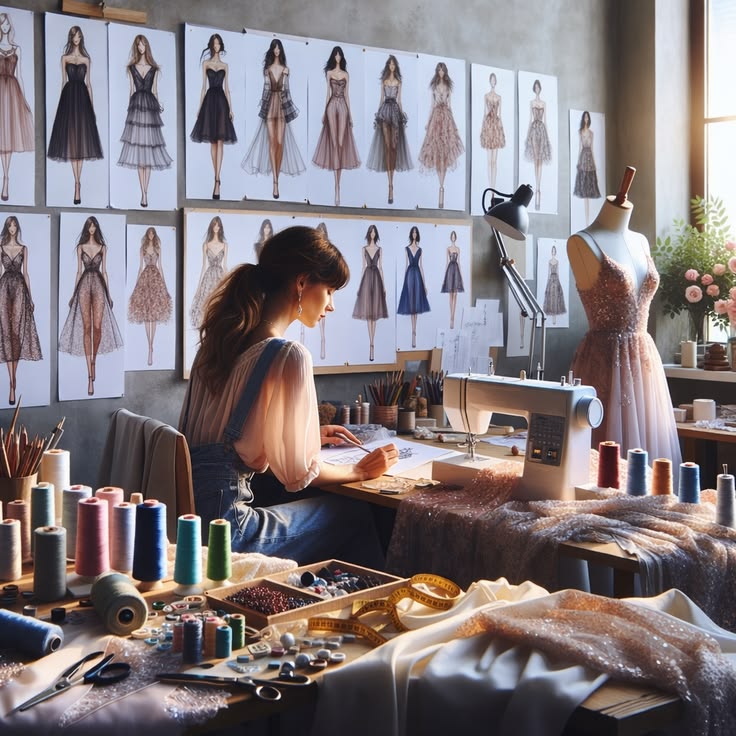
Fashion is constantly evolving, influenced by culture, technology, sustainability, and consumer behaviour. For aspiring designers, keeping up with the latest fashion trends is essential for building a successful career in the fashion industry. For aspiring designers, understanding these changes is no longer optional; it is essential for building a successful career.
Today’s fashion designers must understand not only aesthetics but also sustainability, digital tools, market demands, and emerging technologies. Whether you’re planning to join a fashion design course or already studying fashion, understanding the direction of the industry can help you stay relevant and competitive.
This guide explores the most important fashion trends for 2026, emerging opportunities, industry challenges, and practical insights every aspiring designer should know.
Why Fashion Trends Matter for Future Designers
Fashion trends are more than temporary styles. They help shape consumer buying decisions, influence brand strategies, and determine what products succeed in the market.
Understanding current and future trends helps aspiring designers:
- Create relevant collections
- Improve employability
- Build stronger portfolios
- Develop innovative concepts
- Understand customer preferences
- Stay competitive in the fashion industry
Designers who can anticipate trends often gain an advantage over those who simply follow them.
Top Fashion Trends Shaping 2026
1. Sustainable Fashion Continues to Dominate
Sustainability remains one of the biggest fashion trends in 2026. Consumers are increasingly demanding environmentally responsible products and ethical manufacturing practices.
Brands are focusing on:
- Organic fabrics
- Recycled materials
- Upcycled fashion
- Circular fashion models
- Reduced textile waste
For aspiring designers, learning sustainable design principles is becoming essential rather than optional.
2. Why Sustainable Fashion Matters
Consumers today are more conscious about environmental impact. Fashion brands that embrace sustainability are building stronger customer loyalty and long-term growth.
3. Digital Fashion and Virtual Clothing
Technology is transforming how fashion is created and consumed.
Digital fashion allows designers to create virtual garments that exist only online. These designs are used for:
- Social media content
- Gaming platforms
- Virtual influencers
- Metaverse experiences
- Digital fashion shows
As virtual experiences continue to grow, digital fashion is becoming an exciting new career path.
4. Gender-Neutral Fashion
Another major fashion trend is the rise of inclusive and gender-neutral clothing.
Consumers increasingly value:
- Self-expression
- Comfort
- Versatility
- Inclusivity
Designers are creating collections that move beyond traditional gender categories and appeal to wider audiences.
5. Smart Fashion and Wearable Technology
Fashion and technology continue to merge.
Examples include:
- Smart textiles
- Fitness-integrated clothing
- Temperature-regulating fabrics
- Interactive garments
These innovations are creating new opportunities for designers interested in both fashion and technology.
6. AI-Powered Fashion Design
Artificial Intelligence is revolutionising the fashion industry.
AI tools help designers:
- Predict future trends
- Analyze consumer behavior
- Generate design ideas
- Optimize production planning
- Improve inventory management
While creativity remains at the heart of fashion, AI in fashion design is helping designers make smarter and faster decisions.
Consumer Behaviour Trends Influencing Fashion
1. Personalisation Is Becoming a Priority
Modern consumers want products that reflect their individual preferences.
Brands are responding through:
- Custom-made garments
- Personalized recommendations
- Made-to-order collections
Aspiring designers should understand how personalisation affects product development and customer experience.
2. Comfort Remains Essential
The demand for stylish yet comfortable clothing continues to grow.
Popular categories include:
- Relaxed tailoring
- Elevated basics
- Athleisure wear
- Multifunctional fashion
Consumers increasingly prioritise versatility and comfort without sacrificing style.
3. Social Media-Driven Fashion
Social media platforms have become powerful trend-setting tools.
Fashion trends often emerge from:
- TikTok
- Influencer communities
Designers who understand digital culture can better predict and respond to market demands.
Technology Skills Every Fashion Designer Should Learn
The modern fashion industry requires both creative and technical expertise.
1. Fashion CAD Software
Computer-aided fashion design tools help designers create professional digital sketches and technical drawings.
Popular software includes:
- Adobe Illustrator
- Photoshop
- Fashion CAD
2. 3D Fashion Design
Programs like CLO 3D allow designers to create virtual garments before production begins.
Benefits include:
- Faster prototyping
- Reduced waste
- Better visualization
- Lower production costs
3. Digital Portfolio Development
A professional online portfolio is increasingly important for:
- Internships
- Placements
- Freelance opportunities
- Brand collaborations
Digital presentation skills can significantly improve career prospects.
Challenges Aspiring Designers Should Prepare For
1. Rapidly Changing Trends
Fashion trends evolve quickly, requiring continuous learning and adaptation.
Designers must stay informed about:
- Consumer behavior
- Industry innovations
- Global fashion movements
- Emerging technologies
2. Increasing Competition
The fashion industry remains highly competitive.
Success often depends on:
- Technical expertise
- Creativity
- Networking
- Industry awareness
- Portfolio quality
3. Balancing Creativity and Commercial Success
A successful fashion designer must create designs that are both innovative and commercially viable.
Understanding customer preferences and market demand is crucial.
Benefits of Staying Updated with Fashion Trends
1. Better Career Opportunities
Fashion professionals who understand emerging trends are often more attractive to employers and brands.
2. Stronger Portfolio Development
Trend-aware projects demonstrate industry relevance and practical understanding.
3. Increased Creative Inspiration
Studying global trends exposes designers to new ideas, techniques, and cultural influences.
4. Improved Industry Confidence
Knowledge of current trends allows designers to participate confidently in professional discussions and projects.
Practical Tips for Aspiring Fashion Designers
1. Follow Industry Publications
Stay updated through:
- Fashion magazines
- Trend forecasting platforms
- Designer interviews
- Industry reports
2. Attend Fashion Events
Fashion shows, exhibitions, and workshops provide valuable exposure to industry developments.
3. Build Diverse Projects
Include:
- Sustainable fashion concepts
- Digital fashion projects
- Commercial collections
- Experimental designs
A diverse portfolio demonstrates versatility.
4. Develop Business Knowledge
Understanding branding, marketing, and retail operations can improve long-term career growth.
Future Career Opportunities in Fashion
Fashion trends 2026 are creating exciting opportunities in:
- Sustainable fashion
- Luxury fashion
- Digital fashion
- Fashion technology
- Fashion styling
- Fashion communication
- Fashion entrepreneurship
Designers who combine creativity with knowledge of technology and sustainability will be particularly well-positioned for future success.
Final Thoughts
The fashion trends shaping 2026 reflect an industry that is becoming more sustainable, digital, inclusive, and technology-driven. Aspiring designers must go beyond traditional design skills and embrace innovation, consumer insights, and emerging technologies.
Success in the future fashion industry will depend on creativity, adaptability, technical expertise, and a commitment to continuous learning. By understanding these trends early, aspiring designers can build stronger portfolios, develop relevant skills, and prepare for rewarding careers in an evolving global fashion landscape.
FAQs
1. What are the biggest fashion trends in 2026?
Sustainable fashion, digital fashion, AI-powered design, gender-neutral clothing, and personalised fashion experiences are among the leading trends.
2. Why is sustainable fashion important?
Consumers are increasingly demanding environmentally responsible products, making sustainability a major focus for fashion brands worldwide.
3. Do aspiring designers need technology skills?
Yes. Skills such as Fashion CAD, 3D design software, and digital portfolio creation are becoming essential in modern fashion careers.
4. How can students stay updated with fashion trends?
Students can follow industry publications, attend fashion events, monitor social media platforms, and study trend forecasting reports.
5. Is fashion designing a good career in 2026?
Yes. The industry continues to offer opportunities in fashion design, digital fashion, sustainability, styling, technology, and entrepreneurship.
Build Your Fashion Future with IFJD
At IFJD, students receive industry-focused education that combines creativity, practical training, technology, and real-world exposure. With expert faculty, portfolio development support, and career-oriented learning, IFJD helps aspiring designers develop the skills needed to succeed in the rapidly evolving fashion industry. Contact IFJD to take the next step toward a creative and future-ready fashion career with IFJD.