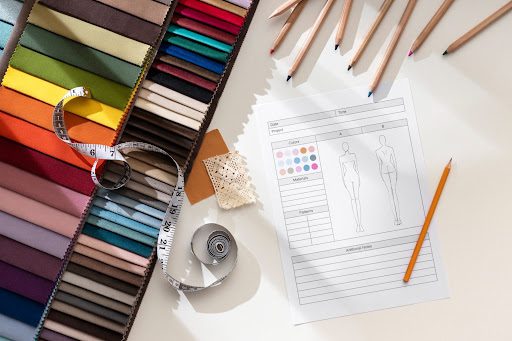
Fashion designing is much more than creating stylish outfits. It is a combination of creativity, technical knowledge, textile science, garment construction, fashion trends, and business understanding. If you’re planning to pursue a career in fashion, one of the first questions you’ll have is, “What will I learn in a fashion designing course?” Understanding the fashion designing course syllabus helps students know what to expect before enrolling.
A well-structured course doesn’t just teach sketching; it prepares students with practical skills, industry exposure, and the confidence to build successful careers in fashion design, styling, merchandising, or entrepreneurship. Although the syllabus may vary slightly between institutes, most professional fashion designing programs cover a mix of creative, technical, and business-related subjects.
In this guide, we’ll explain the key subjects included in a fashion designing course syllabus, the practical skills you’ll develop, and how each subject contributes to your future career.
Why Understanding the Course Syllabus Is Important
Before joining any fashion design course, it’s important to understand what you’ll be learning.
Reviewing the syllabus helps you:
- Understand the course structure
- Know the practical and theoretical subjects
- Set career expectations
- Compare different fashion institutes
- Choose the right course based on your goals
A transparent syllabus also ensures you’re investing in industry-relevant education.
Core Subjects in a Fashion Designing Course Syllabus
1. Fashion Illustration
Fashion illustration is one of the first subjects students learn.
This module teaches how to:
- Draw fashion figures (croquis)
- Sketch garments
- Create colour illustrations
- Present fashion concepts visually
Illustration helps designers communicate their ideas before garments are produced.
2. Textile Science
Understanding fabrics is essential for every fashion designer.
Students learn about:
- Natural fibres
- Synthetic fibres
- Fabric construction
- Fabric properties
- Dyeing and printing techniques
- Fabric selection
Choosing the right fabric is just as important as designing the garment itself.
3. Pattern Making
Pattern making converts fashion sketches into wearable garments.
Students learn:
- Flat pattern drafting
- Body measurements
- Pattern development
- Pattern alteration
- Garment fitting
Strong pattern-making skills help designers create well-fitted clothing.
4. Garment Construction
This practical subject focuses on bringing designs to life.
Topics include:
- Sewing techniques
- Stitch types
- Machine handling
- Garment finishing
- Quality control
Hands-on practice is a major part of this module.
5. Fashion CAD
Technology plays an increasingly important role in fashion design.
Many institutes include fashion CAD software training, allowing students to:
- Create digital illustrations
- Develop technical flats
- Prepare production drawings
- Edit garment designs efficiently
CAD skills improve employability in today’s fashion industry.
6. Fashion Draping
Draping teaches students to create garments directly on dress forms.
This subject develops:
- Creativity
- Fabric handling
- Silhouette development
- Innovative garment construction
Many couture designers rely heavily on draping techniques.
7. Fashion History
Understanding fashion history helps designers appreciate the evolution of clothing styles.
Students study:
- Historical fashion eras
- Global fashion influences
- Traditional Indian textiles
- Cultural clothing styles
This knowledge often inspires modern collections.
8. Fashion Merchandising
Fashion designers should also understand the business side of the industry.
This subject covers:
- Consumer behaviour
- Retail management
- Fashion marketing
- Product planning
- Pricing strategies
It prepares students for commercial fashion careers.
9. Portfolio Development
A professional portfolio is essential for internships and job applications.
Students learn how to create:
- Mood boards
- Design collections
- Fashion illustrations
- Technical drawings
- Presentation layouts
A strong portfolio showcases creativity and technical expertise.
Practical Learning in Fashion Designing
One of the biggest strengths of a professional fashion designing course is hands-on experience.
Practical training often includes:
- Garment construction workshops
- Fashion illustration practice
- Fabric experiments
- Design assignments
- Collection development
- Fashion shows
- Industry projects
These activities help students gain confidence and prepare for real-world careers.
Skills You Develop During the Course
A comprehensive fashion designing course syllabus helps students build a wide range of skills.
1. Creative Skills
- Fashion sketching
- Design thinking
- Colour coordination
- Trend forecasting
2. Technical Skills
- Pattern making
- Garment construction
- CAD software
- Textile selection
3. Professional Skills
- Communication
- Time management
- Presentation
- Problem-solving
These skills are valuable across multiple fashion industry roles.
Career Opportunities After Completing the Course
A professional fashion designing course opens doors to various careers, including:
- Fashion Designer
- Fashion Illustrator
- Textile Designer
- Fashion Stylist
- Costume Designer
- Apparel Merchandiser
- Fashion Consultant
- Boutique Owner
- Fashion Entrepreneur
Many graduates also pursue higher education or launch their own fashion labels.
Common Challenges Students Face
1. Learning Technical Subjects
Pattern making and garment construction require patience and consistent practice.
Regular workshops help students improve quickly.
2. Managing Creative Projects
Fashion design involves multiple assignments, collections, and deadlines.
Strong organizational skills are essential.
3. Keeping Up with Trends
Fashion trends change rapidly.
Students should regularly follow fashion weeks, designers, and industry publications to stay updated.
Practical Tips Before Joining a Fashion Designing Course
- Review the complete syllabus before enrolling.
- Ensure the course includes practical workshops.
- Check if Fashion CAD is part of the curriculum.
- Look for internship opportunities.
- Choose a reputed fashion design institute with experienced faculty.
- Ask about portfolio development and placement assistance.
These factors significantly improve your learning experience and career prospects.
How to Choose the Right Fashion Designing Course
While choosing the right fashion design course, compare:
- Curriculum
- Faculty expertise
- Infrastructure
- Practical learning
- Industry exposure
- Student portfolios
- Placement support
The best courses balance creativity, technical education, and industry readiness.
Final Thoughts
Understanding the fashion designing course syllabus is an important step before beginning your fashion education. A well-designed syllabus equips students with the creative, technical, and professional skills needed to succeed in the modern fashion industry.
From fashion illustration and textile science to garment construction, Fashion CAD, merchandising, and portfolio development, every subject plays a role in preparing students for rewarding careers.
Choosing an institute that offers industry-oriented learning, practical workshops, and career support will help you build a strong foundation and confidently enter the world of fashion.
FAQs
1. What subjects are included in a fashion designing course syllabus?
Most courses include fashion illustration, textile science, pattern making, garment construction, Fashion CAD, draping, merchandising, fashion history, and portfolio development.
2. Is practical training included in a fashion designing course?
Yes. Professional courses include workshops, garment construction, live projects, and portfolio creation to provide hands-on learning.
3. Do fashion designing courses teach CAD software?
Many reputed institutes include Fashion CAD training to help students develop the digital design skills required by the industry.
4. What career opportunities are available after completing a fashion designing course?
Graduates can become fashion designers, stylists, textile designers, merchandisers, consultants, entrepreneurs, or costume designers.
5. How do I choose the best fashion designing course?
Compare the syllabus, faculty, practical training, infrastructure, internships, placement support, and reputation of the fashion design institute before enrolling.
Learn Industry-Ready Fashion Design Skills with IFJD
At IFJD, students receive a comprehensive education that combines creativity with practical learning. The curriculum includes fashion illustration, textile studies, garment construction, Fashion CAD, portfolio development, and industry-focused projects guided by experienced faculty. With hands-on workshops, modern facilities, and career support, IFJD prepares aspiring designers to succeed in today’s competitive fashion industry. Contact IFJD and turn your passion for fashion into a professional and rewarding career.