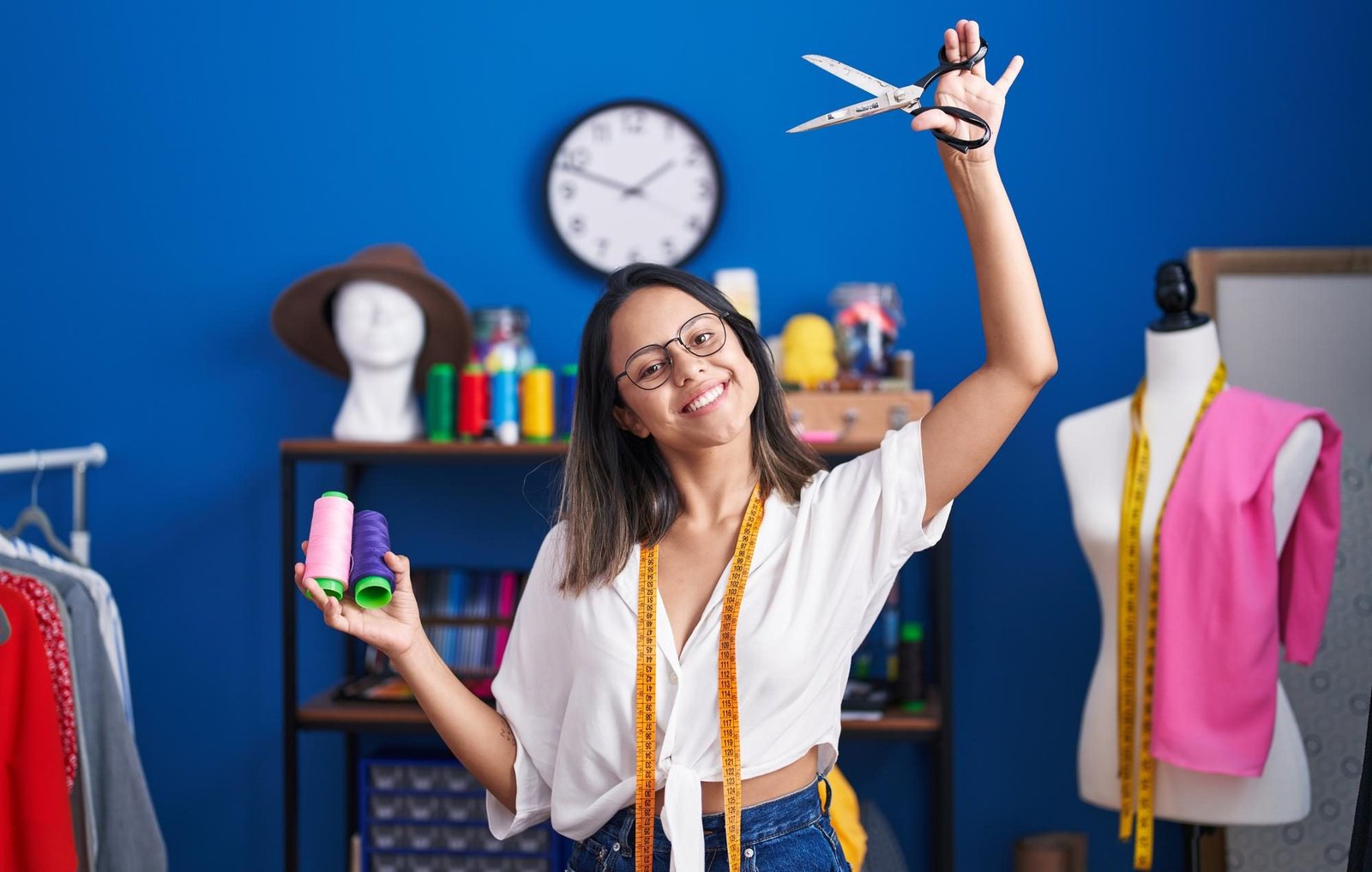
Getting your first fashion design job is an exciting milestone, but turning creative skills into a professional career requires more than talent. Employers want to see how you develop ideas, understand fabrics, create designs, solve practical problems, and work within real production requirements.
For beginners, the biggest challenge is often gaining experience when most opportunities appear to favor candidates who already have it. The solution is to build a strong portfolio, develop practical skills, explore entry-level roles, and apply strategically. A fashion design course, personal projects, internships, and industry connections can all help you demonstrate your potential to employers.
Whether you have recently completed your education or are preparing to enter the fashion industry, this guide explains how to pursue your first fashion design job and build a foundation for long-term career growth.
Understand the Different Fashion Design Career Opportunities
Before applying for jobs, identify the type of work that matches your interests and abilities. The fashion industry includes creative, technical, and commercial roles, so your first position does not necessarily need to be titled “fashion designer.”
Entry-Level Roles for Beginners
Some positions to consider include:
- Assistant fashion designer: Supports senior designers with sketches, research, design development, and collection preparation.
- Fashion design intern: Gains practical experience by assisting a design team with everyday tasks and projects.
- Junior fashion designer: Helps develop garment concepts, select fabrics, prepare design specifications, and contribute to collections.
- Textile design assistant: Supports the development of fabric patterns, prints, colors, and surface designs.
- Pattern-making assistant: Helps prepare garment patterns and understand measurements, fit, and construction.
- Fashion stylist assistant: Supports outfit coordination, visual presentations, photoshoots, and styling projects.
- Product development assistant: Helps coordinate samples, materials, design specifications, and communication with production teams.
Research the responsibilities of each role before applying. For example, a pattern-making position may require stronger technical skills, while a design assistant role may place greater emphasis on illustration, research, and creative development.
Build a Fashion Design Portfolio That Demonstrates Your Skills
A fashion design portfolio is one of the most important tools for securing your first fashion design job. It allows employers to evaluate your creativity, technical knowledge, and ability to develop an idea into a practical design. A strong portfolio can also demonstrate your potential when you have limited professional experience.
What Should Your Portfolio Include?
Consider including:
- Original fashion illustrations and garment sketches
- Mood boards and design inspiration
- Color palettes and fabric selections
- Technical drawings and garment details
- Pattern-making or draping projects
- Photographs of completed garments or prototypes
- A brief explanation of your design process
For example, if you have designed a casual-wear collection, show the initial inspiration, target customer, fabric choices, sketches, technical details, and final garments if available.
Prioritize quality over quantity. A small collection of well-presented projects is more effective than a large portfolio filled with unfinished or repetitive work.
Develop the Technical Skills Employers Need
Creativity helps you generate ideas, but technical skills help you turn those ideas into garments that can be produced and worn.
Focus on strengthening the following areas:
1. Fashion Illustration and Design Development
Practice drawing garment silhouettes, detailing seams, creating variations, and communicating design ideas clearly. You should be able to explain the purpose and inspiration behind your designs.
2. Fabric Knowledge and Pattern Making
Learn how fabric weight, texture, stretch, and drape influence a garment. Understand basic sewing patterns, garment measurements, fitting, and construction techniques.
3. Digital Design Skills
Depending on the role, familiarity with Adobe Illustrator, Photoshop, or relevant computer-aided design tools can help you prepare technical drawings, presentations, and digital concepts.
4. Communication and Teamwork
Fashion professionals regularly collaborate with pattern makers, sample developers, manufacturers, merchandisers, and other designers. Clear communication, attention to detail, time management, and the ability to accept feedback are valuable workplace skills.
Gain Practical Experience Before Your First Full-Time Job
One common obstacle for fresh graduates is the lack of professional experience. You can begin addressing this before securing a permanent position.
1. Apply for Internships
Fashion internships introduce you to professional workflows, deadlines, sampling, and collaboration. They can also help you understand which areas of fashion design suit you best.
Look for opportunities with established brands, independent designers, apparel manufacturers, boutiques, and design studios. Read the terms carefully, including responsibilities, duration, working hours, and compensation.
2. Create Your Own Design Projects
You can build relevant experience without waiting for an employer to give you an assignment. Develop a small seasonal collection, redesign a garment, experiment with fabric combinations, or create a capsule wardrobe for a defined audience.
Document your process and include the strongest results in your portfolio.
3. Consider Freelance and Short-Term Projects
Small businesses, local boutiques, and emerging clothing labels may need assistance with sketches, styling, garment alterations, or collection development. Suitable projects can help you gain experience, improve your communication skills, and build professional references.
The goal is not simply to add activities to your resume. It is to demonstrate what you can do and what you learned from each experience.
Prepare a Professional Resume and Job Application
Your resume should make it easy for employers to understand your education, skills, projects, and suitability for the role.
Include your contact details, fashion design education, relevant technical skills, internships, project experience, and portfolio link. If you are a fresher, academic projects and personal design work can help demonstrate your abilities.
Tailor Each Application
Avoid sending the same generic resume and cover letter to every employer.
Before applying:
- Read the job description carefully.
- Identify the required skills and responsibilities.
- Highlight relevant projects and experience.
- Include a direct link to your portfolio.
- Check spelling, formatting, and contact information.
Research the brand’s design style and customer base. If a company focuses on contemporary casual wear, for instance, highlight relevant projects rather than leading with unrelated evening-wear concepts.
Search for Fashion Design Jobs Strategically
A successful job search involves more than checking job portals once a week.
Explore employment platforms such as LinkedIn, Indeed, and company career pages. Follow fashion brands, design studios, and apparel manufacturers to learn about vacancies and internship programs.
You can also contact suitable local businesses with a brief, professional introduction and a portfolio link. Some opportunities arise through referrals or direct outreach rather than public job advertisements.
Maintain a simple application tracker with the company name, role, application date, contact details, and follow-up date. This helps you stay organized and avoid contacting the same employer repeatedly.
Prepare for Fashion Design Interviews
An interview gives employers an opportunity to understand your approach to design, technical knowledge, and ability to work with a team.
Prepare to discuss your portfolio, explain your design decisions, and describe how you respond to feedback or solve practical challenges.
Common questions may include:
- Why do you want to work in fashion design?
- Which project best represents your skills?
- How do you select fabrics for a garment?
- How would you respond if a design did not work as expected?
- What interests you about our brand?
Practice explaining your projects in a clear, structured way. Discuss the original brief, your approach, challenges, and outcome. If you do not know an answer, be honest and explain how you would approach learning or solving the problem.
Frequently Asked Questions
1. How can I get my first fashion design job with no experience?
Start by building a portfolio from academic assignments and personal projects. Apply for internships, assistant positions, and junior roles that match your current abilities. Practical projects and relevant training can help demonstrate your potential.
2. What qualifications do I need for a fashion design job?
Requirements vary by employer and role. Many employers value relevant fashion design education, technical skills, and a strong portfolio. Some positions may accept candidates with certificates or diplomas, while others prefer a degree or specific industry experience.
3. What should a beginner include in a fashion design portfolio?
Include original sketches, mood boards, color palettes, fabric choices, technical drawings, and completed garments or prototypes when available. Explain the concept and design process behind selected projects.
4. Is an internship necessary to become a fashion designer?
An internship is not compulsory for every role, but it can provide practical experience, industry connections, and exposure to professional workflows. Personal projects, freelance work, and assistant roles can also help you build experience.
5. How long does it take to get a fashion design job?
There is no fixed timeline. It depends on your skills, portfolio, qualifications, location, application strategy, and available vacancies. Improving your portfolio while applying consistently can help you prepare for suitable opportunities.
Start Building Your Fashion Design Career With IFJD
Getting your first fashion design job begins with developing the right skills and learning how to present your work professionally. At the Institute of Fashion & Jewellery Design (IFJD), Rajkot, students can develop their understanding of fashion illustration, textiles, pattern making, garment construction, and design development through structured learning and practical projects.
Explore the IFJD Fashion Design Course to learn more about the curriculum and training opportunities. Choose your next step based on your career goals, preferred learning path, and the skills you want to develop before entering the fashion industry.