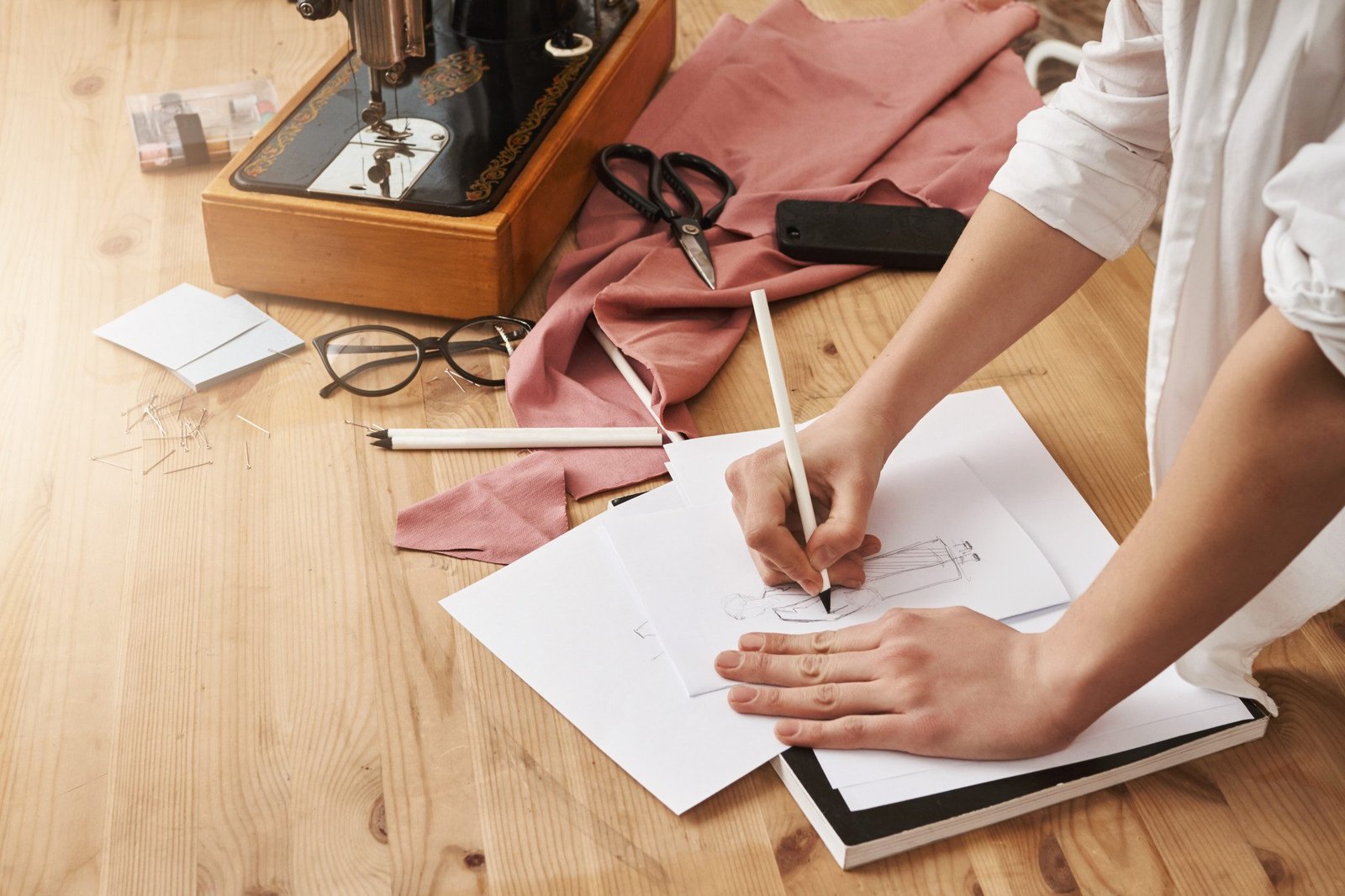
Starting a career in fashion can feel challenging when you have creative ideas and design skills but no professional experience to show. However, a strong fashion design resume does not depend entirely on previous employment. As a beginner, you can demonstrate your potential through academic projects, design portfolios, technical skills, internships, workshops, and personal creations.
Fashion recruiters often look for candidates who understand garment construction, fabric selection, fashion illustration, and current design trends. They also want to see creativity, attention to detail, and a willingness to learn. A well-structured resume helps you communicate these qualities clearly, even if you are applying for your first job.
In this guide, you will learn how to create a fashion design resume with no work experience, which sections to include, how to showcase your projects, and how to avoid common mistakes when applying for entry-level fashion industry positions.
Choose the Right Fashion Design Resume Format
When you have no professional experience, your resume should highlight your skills, education, and creative projects before employment history. A reverse-chronological format can work well, but a skills-focused structure is often more useful for fresh graduates.
Keep your resume to one page if you are a beginner. Use clear headings, readable fonts, consistent spacing, and a simple layout that allows recruiters to find important information quickly.
What to Include in Your Resume Header
Start with your full name and essential contact information.
Include:
- Full name
- Phone number and professional email address
- City and state
- Portfolio link or online design profile
- LinkedIn profile, if relevant
You generally do not need to include your full residential address, date of birth, marital status, or unrelated personal details unless an employer specifically requests them.
Choose a professional email address and ensure that every link works. If you have an online portfolio, place the link where recruiters can easily find it.
Write a Strong Fashion Design Resume Objective
A resume objective is particularly useful when you are applying for your first fashion design job. It briefly explains your career goal, relevant skills, and the value you hope to bring to an employer.
Avoid generic statements such as “I want to work in a reputed company and improve my skills.” Instead, mention specific design abilities and the type of opportunity you are seeking.
Fashion Design Resume Objective Example
“Creative fashion design graduate with foundational skills in fashion illustration, pattern making, fabric selection, and garment construction. Eager to contribute fresh design ideas, support collection development, and learn from an experienced fashion team in an entry-level fashion design role.”
You should customise this statement for the position you are applying for. For example, a resume for a fashion stylist role should emphasise styling, colour coordination, and trend research rather than focusing entirely on garment construction.
Highlight Your Fashion Design Skills
Your skills section helps employers understand what you can contribute from the beginning. Include abilities you have practised through coursework, projects, workshops, or independent learning.
Technical Skills for Fashion Design
Relevant technical skills may include:
- Fashion illustration and technical sketching
- Pattern making and drafting
- Sewing and garment construction
- Fabric identification and selection
- Draping and fitting fundamentals
- Colour theory and textile knowledge
- Fashion trend research
- Digital fashion illustration and design software, if applicable
- Measurement and basic quality checking
Only list tools and techniques you can genuinely use. If you mention design software, specify the programs you have learned, such as Adobe Illustrator or other fashion-design applications, where relevant.
Soft Skills That Support Your Work
Fashion employers also value communication, time management, teamwork, problem-solving, and attention to detail. Rather than listing every possible soft skill, demonstrate them through project descriptions.
For instance, completing a garment collection within an academic deadline can demonstrate planning and time management. Working with classmates on a fashion exhibition can show collaboration and communication.
Showcase Academic and Personal Design Projects
When you have no work experience, projects can become the strongest section of your fashion design resume. They provide evidence of your ability to turn an idea into a design concept.
You can include college assignments, final-year collections, personal garment projects, styling concepts, textile experiments, or designs created during workshops.
How to Describe a Fashion Design Project
For every project, mention its title, objective, your contribution, and the techniques used. Explain what you actually created instead of simply stating that you participated.
For example:
Project: Sustainable Casual Wear Collection
- Developed a collection concept inspired by everyday urban clothing.
- Created fashion illustrations and technical sketches.
- Researched colour palettes, garment silhouettes, and suitable fabrics.
- Explored fabric combinations and garment construction techniques.
- Prepared a design presentation showing the collection’s overall direction.
Use only the details that accurately describe your project. If you created finished garments, you can mention the number of pieces completed. If you only produced sketches, be clear about that distinction.
Create a Portfolio to Support Your Resume
A fashion design portfolio gives recruiters a visual understanding of your creativity and technical ability. It can include selected illustrations, mood boards, fabric research, technical drawings, finished garments, and photographs of your work.
Organise the portfolio by project and show the development process where possible, from initial research to the final design. Use good-quality images, concise descriptions, and consistent presentation.
A smaller portfolio of well-explained work is often more effective than a large collection of unrelated designs. Make sure the portfolio link in your resume opens correctly on mobile and desktop devices.
Present Your Fashion Education Effectively
Your education section is important when you have limited professional experience. List your degree, diploma, certificate, or fashion design course, followed by the institution and completion date or expected graduation date.
You can also mention relevant subjects, such as textile studies, pattern drafting, garment construction, fashion illustration, and digital design.
If you completed a project, exhibition, design competition, or workshop as part of your course, include it in the project or achievements section rather than repeating the same information throughout the resume.
Should You Include Short Courses and Workshops?
Yes, when they are relevant to the role. Workshops in fashion illustration, embroidery, textile techniques, digital design, or garment construction can demonstrate initiative and a commitment to learning.
Clearly distinguish formal qualifications from short courses and participation certificates. Do not imply that a brief workshop is equivalent to a professional degree or diploma.
Include Internships, Volunteering, and Relevant Activities
No formal job history does not mean you have no relevant experience. Fashion-related activities can help demonstrate practical exposure and professional behaviour.
Consider including:
- Fashion show or exhibition participation
- Assistance with college fashion events
- Costume or styling projects
- Boutique-related learning experiences
- Short-term internships
- Independent design commissions
- Volunteer work involving clothing, styling, or visual presentation
If you helped organise a fashion exhibition, explain your actual responsibilities. For example, you might have supported outfit coordination, prepared displays, or assisted with backstage arrangements.
Do not invent internships, clients, job titles, or achievements. Honest descriptions of genuine experience are more credible and easier to discuss during an interview.
Tailor Your Resume to Each Fashion Job
A single resume may not be equally effective for every position. Read the job description and identify the skills and responsibilities the employer emphasises.
For an entry-level fashion designer position, focus on illustration, fabric knowledge, pattern making, and collection development. For a fashion stylist role, highlight outfit coordination, colour matching, visual research, and styling projects. For a design assistant position, emphasise technical drawings, organisation, accuracy, and support for the design team.
Use relevant keywords naturally where they reflect your actual abilities. This can improve readability for recruiters and help your resume align with applicant tracking systems (ATS). However, avoid repeating keywords unnaturally or adding skills you do not possess.
Conclusion
Creating a fashion design resume without work experience is about demonstrating potential through evidence. By highlighting relevant technical skills, academic projects, practical learning, and a well-organised portfolio, you can show employers that you are ready to take your first steps into the fashion industry.
Keep your resume honest, targeted, and easy to read. Continue building your portfolio, practise essential design techniques, and seek feedback from experienced instructors or professionals.
Frequently Asked Questions
1. How do I write a fashion design resume with no experience?
Focus on your education, technical skills, academic assignments, personal design projects, workshops, and portfolio. Use a short objective to communicate your career goal and highlight the abilities most relevant to the job.
2. What skills should I include in a fashion design resume?
Include relevant skills such as fashion illustration, pattern making, garment construction, fabric selection, colour theory, technical sketching, trend research, and digital design tools. Choose skills you can demonstrate through your work.
3. Do I need a portfolio for my first fashion design job?
A portfolio is strongly recommended for most creative fashion roles. It allows employers to assess your design concepts, technical understanding, visual presentation, and ability to develop ideas into finished work.
4. How long should a beginner’s fashion design resume be?
One page is generally sufficient for a fresher. Focus on relevant education, skills, projects, and activities instead of adding unrelated information to fill space.
5. Can I apply for a fashion design job after completing a short course?
Yes, depending on the employer’s requirements and the role. A short course can help you build foundational skills, but some positions may require a diploma, degree, practical experience, or a stronger portfolio. Review each vacancy before applying.
Start Your Fashion Design Career with IFJD
Ready to build your fashion design skills? IFJD (Institute of Fashion & Jewellery Design) in Rajkot offers fashion design education with practical learning opportunities to help students develop their creative and technical abilities. Explore the fashion design course at IFJD to learn more about the course and take the next step towards your fashion career.