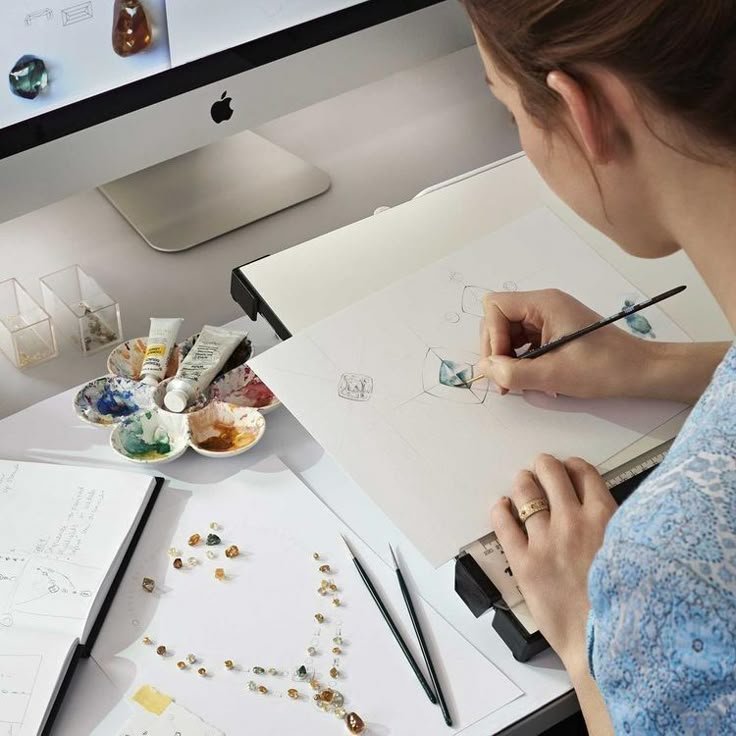
India has a long-standing connection with jewellery, from traditional handcrafted ornaments to contemporary designer collections. Today, the jewellery industry offers opportunities beyond traditional goldsmiths and retail. Growing interest in customized jewellery, branded collections, digital design, and online jewellery businesses has created different career paths for people with creative and technical skills. A jewellery design career can involve developing original designs, creating technical drawings, selecting gemstones, preparing digital models, coordinating with manufacturers, or building an independent jewellery brand. However, success in this field requires more than creativity. Understanding materials, proportions, craftsmanship, customer preferences, and production techniques is equally important.
For students considering jewellery design as a profession, understanding available job roles and the skills employers expect can help them make informed career decisions. This guide explores jewellery design career opportunities in India, essential skills, potential work environments, and practical steps to enter the industry.
Why Choose a Jewellery Design Career in India?
India has a diverse jewellery market influenced by weddings, festivals, cultural traditions, fashion trends, and changing consumer preferences. Alongside traditional jewellery, demand for contemporary, lightweight, customized, and everyday designs has created opportunities for designers with different creative interests.
The industry includes jewellery manufacturers, retail brands, independent studios, export businesses, and digital-first jewellery companies.
Growing Areas of Opportunity
- Customized jewellery: Customers increasingly seek personalized designs for engagements, weddings, anniversaries, and other occasions.
- Contemporary collections: Modern jewellery brands require designers who can develop wearable designs for different customer groups.
- Digital jewellery design: CAD and 3D modeling skills support the development and visualization of jewellery concepts.
- Traditional craftsmanship: Indian jewellery techniques and regional design influences continue to inspire new collections.
- Independent businesses: Designers can explore freelance work, boutique studios, and their own jewellery labels.
These opportunities make jewellery design an interesting career option for individuals who enjoy creativity, detail-oriented work, and material-based design.
Top Jewellery Design Career Opportunities and Job Roles
A jewellery design qualification can prepare students for several roles, depending on their interests, technical abilities, and practical experience.
1. Jewellery Designer
Jewellery designers develop concepts for rings, necklaces, bracelets, earrings, pendants, and other accessories. They research trends, prepare sketches, select materials, and refine designs according to customer or brand requirements.
Key skills: Jewellery illustration, creativity, gemstone knowledge, design development, and understanding of proportions.
2. CAD Jewellery Designer
Computer-Aided Design (CAD) jewellery designers create digital models of jewellery using specialized software. These models help manufacturers understand dimensions, stone settings, structure, and other production details.
Key skills: 3D modeling, CAD software, technical accuracy, spatial understanding, and knowledge of jewellery construction.
3. Jewellery Illustrator
Jewellery illustrators communicate design concepts through detailed hand-drawn or digital illustrations. Their work may include gemstone arrangements, metal finishes, decorative patterns, and different design variations.
Key skills: Drawing, shading, perspective, color understanding, and presentation techniques.
4. Gemstone and Jewellery Consultant
These professionals help customers understand jewellery options, gemstone characteristics, design choices, and product details. Depending on the position, they may work with retailers, jewellery brands, or specialized businesses.
Key skills: Gemstone knowledge, communication, product understanding, and customer service.
5. Jewellery Production Coordinator
Production coordinators help connect the design and manufacturing stages. They communicate design specifications, track production progress, and coordinate with artisans, workshops, and quality teams.
Key skills: Organization, technical understanding, attention to detail, and communication.
6. Jewellery Merchandiser
Jewellery merchandisers help businesses plan product collections, understand customer preferences, coordinate product ranges, and support sales strategies.
Key skills: Market research, product knowledge, trend awareness, planning, and commercial understanding.
7. Freelance Jewellery Designer or Entrepreneur
Designers who prefer independent work can offer customized design services, collaborate with jewellery manufacturers, or establish their own jewellery brands.
Key skills: Design development, portfolio presentation, customer communication, pricing, branding, and business planning.
Essential Skills Required for a Jewellery Design Career
A successful jewellery designer combines artistic ability with technical knowledge. Developing the following skills can help students prepare for entry-level roles and future career growth.
1. Jewellery Sketching and Illustration
Sketching helps designers communicate their ideas before creating digital models or physical samples. Students should practise drawing different jewellery forms, understanding proportions, and presenting gemstone and metal details.
2. Gemstone and Metal Knowledge
Designers should understand common gemstones, their characteristics, colors, shapes, and suitability for different jewellery styles. Knowledge of metals such as gold, silver, and platinum also helps when selecting materials for a particular design.
3. Design Development and Creativity
The ability to develop an original concept is essential. Designers should learn to research inspiration, create mood boards, experiment with patterns, and develop coordinated jewellery collections.
4. Digital Jewellery Design
CAD and 3D modeling skills are increasingly useful in jewellery design workflows. They help designers prepare detailed digital models and communicate concepts more precisely to manufacturers.
5. Attention to Detail
Jewellery often involves small components, intricate settings, delicate connections, and precise measurements. Even minor design errors can affect appearance, comfort, or production feasibility.
6. Communication and Teamwork
Jewellery designers regularly interact with customers, artisans, manufacturers, and sales teams. Clear communication helps ensure that the final product matches the approved design and customer requirements.
How Much Can You Earn in a Jewellery Design Career in India?
Salary depends on several factors, including job role, location, employer, technical skills, portfolio quality, and experience. A fresher may begin in a junior design or assistant position, while experienced professionals can progress into senior design, product development, or management roles.
Freelance designers and business owners may have different income patterns depending on their clients, pricing, production costs, and sales.
Instead of relying on a single salary figure, students should research current job vacancies in their preferred city and compare the qualifications, experience, and skills employers request.
Building a strong portfolio and learning industry-relevant software can improve a candidate’s competitiveness, but neither guarantees a particular salary or job placement.
Where Can Jewellery Designers Work in India?
Jewellery designers can explore employment across different parts of the jewellery industry.
Common workplaces include:
- Jewellery manufacturing companies
- Retail jewellery brands and showrooms
- Jewellery export houses
- Independent design studios
- CAD jewellery design companies
- Gemstone and diamond businesses
- Fashion and accessory brands
- Freelance and customized jewellery businesses
Cities such as Mumbai, Jaipur, Surat, Delhi, Bengaluru, and Rajkot offer different opportunities across jewellery manufacturing, trading, retail, and design. The availability of specific roles varies by employer and market demand.
How to Start a Jewellery Design Career After Training
If you are interested in entering the jewellery industry, follow a structured approach to develop your skills and professional profile.
- Choose relevant education: Enroll in a suitable jewellery design course to learn the fundamentals of illustration, materials, and design development.
- Practise regularly: Create sketches of different jewellery categories and experiment with traditional and contemporary styles.
- Learn digital tools: Explore CAD and other relevant software to strengthen your technical capabilities.
- Build a portfolio: Include your best sketches, design concepts, gemstone studies, and digital models.
- Gain practical exposure: Participate in workshops, projects, exhibitions, internships, or other relevant learning opportunities.
- Research job roles: Understand the requirements of junior jewellery designer, CAD designer, illustrator, and other entry-level positions.
- Keep improving: Seek feedback from instructors and industry professionals and refine your work accordingly.
A structured learning process can help transform creative interest into practical skills that are relevant to the jewellery industry.
Conclusion
A jewellery design career in India offers several possibilities, from creative design and digital modeling to production coordination, merchandising, and entrepreneurship. However, choosing the right career path requires an understanding of both artistic and technical responsibilities.
Students who develop strong illustration skills, learn about gemstones and metals, practise digital design, and build a professional portfolio can prepare themselves for different opportunities in the industry. Practical learning and continuous improvement are important steps towards building a sustainable career.
Frequently Asked Questions
1. Is jewellery design a good career in India?
Jewellery design can be a rewarding career for individuals interested in creativity, craftsmanship, gemstones, and product development. Opportunities exist in manufacturing, retail, digital design, exports, and independent businesses. Career outcomes depend on skills, experience, and market demand.
2. What qualifications are required to become a jewellery designer?
Requirements vary by employer. A relevant certificate, diploma, or degree in jewellery design can provide foundational knowledge. Practical skills, design understanding, and a strong portfolio are also important.
3. What skills are needed to become a jewellery designer?
Important skills include jewellery illustration, gemstone knowledge, metal properties, design development, CAD modeling, attention to detail, and communication.
4. Can I become a jewellery designer after completing a short course?
Yes, a short course can help you develop foundational knowledge and explore entry-level opportunities. However, some specialized positions may require advanced technical skills, additional qualifications, or professional experience.
5. Can jewellery designers start their own businesses?
Yes. Experienced designers can establish independent jewellery brands, offer customized design services, or collaborate with manufacturers. Starting a business also requires knowledge of sourcing, production, pricing, branding, and customer management.
Start Your Jewellery Design Journey with IFJD
A strong foundation in jewellery design can help you explore creative and technical career opportunities with greater confidence. IFJD offers jewellery design education with practical learning opportunities to help students develop their design abilities. Explore the jewellery design course at IFJD to learn more about the course and take your first step towards a career in jewellery design.