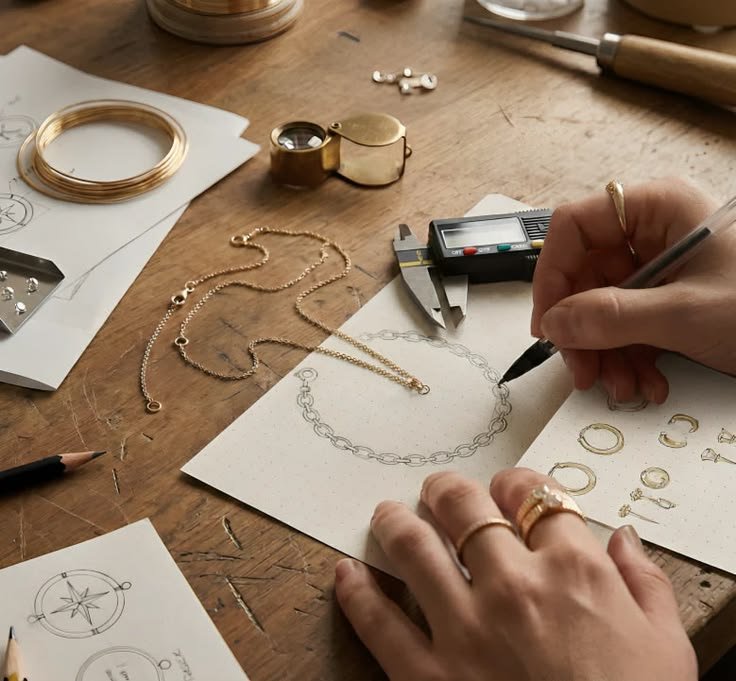
Traditional Indian jewellery designs reflect the country’s rich cultural heritage, regional craftsmanship, and artistic traditions. From elaborate temple jewellery to delicate kundan and meenakari work, each style carries a distinct identity and story. Today, these traditional designs are finding a place in modern fashion through contemporary shapes, lightweight materials, and innovative styling.
For jewellery designers, understanding this connection between heritage and modern aesthetics is important. It helps them create pieces that respect traditional craftsmanship while meeting changing customer preferences. Whether you are interested in ethnic jewellery, contemporary accessories, or custom collections, exploring traditional Indian jewellery designs can provide valuable inspiration for developing original designs.
The Cultural Significance of Traditional Indian Jewellery
Jewellery has played an important role in Indian culture for centuries. It is associated with weddings, festivals, religious ceremonies, family traditions, and personal style. Different regions have developed distinctive jewellery techniques using locally available materials, gemstones, metals, and decorative elements.
Traditional jewellery also reflects social identity and craftsmanship passed down through generations. Today, designers reinterpret these details to create pieces suitable for everyday wear, modern celebrations, and contemporary fashion.
Popular Traditional Indian Jewellery Designs and Their Modern Interpretations
Many traditional Indian jewellery styles continue to influence modern collections. Here are some well-known designs and how contemporary designers are adapting them.
1. Kundan Jewellery
Kundan jewellery is known for its detailed gemstone setting, traditionally involving highly refined gold foil placed between the stones and the jewellery framework. It is particularly associated with royal and bridal jewellery traditions.
Modern interpretation: Contemporary designers use smaller settings, pastel gemstones, geometric arrangements, and lighter structures. Kundan-inspired earrings, pendants, and statement rings are popular choices for people who want traditional detailing without wearing heavy bridal sets.
2. Polki Jewellery
Polki jewellery features uncut, natural diamonds that retain much of their original appearance. Its distinctive finish and traditional craftsmanship make it a popular choice for bridal and occasion wear.
Modern interpretation: Modern Polki-inspired pieces often combine uncut stones with pearls, colored gemstones, and contemporary metal settings. Minimal necklaces, cocktail rings, and detachable components make these designs more versatile.
3. Meenakari Jewellery
Meenakari is a traditional enamel-work technique in which colored designs are applied to metal surfaces. Floral patterns, intricate motifs, and vibrant colors are common features of this craft.
Modern interpretation: Designers are experimenting with subtle color palettes, asymmetrical shapes, and smaller enamel details. Meenakari pendants, hoops, and stackable rings bring traditional artistry into contemporary wardrobes.
4. Temple Jewellery
Temple jewellery draws inspiration from Hindu deities, temple architecture, and religious motifs. Traditional pieces often feature intricate carvings, gold finishes, and decorative elements such as coins, flowers, and divine figures.
Modern interpretation: Contemporary collections may use simplified motifs, lightweight structures, and smaller decorative elements. Temple-inspired earrings, pendants, and cuffs can be styled with both traditional outfits and modern fusion clothing.
5. Jadau Jewellery
Jadau is a traditional jewellery-making technique associated with elaborate gemstone setting, particularly in royal and bridal ornaments. It is valued for its detailed craftsmanship and rich appearance.
Modern interpretation: Designers adapt Jadau-inspired details into smaller necklaces, statement earrings, and modern bridal accessories. Combining traditional stone arrangements with clean silhouettes makes the jewellery suitable for different occasions.
6. Thewa Jewellery
Thewa jewellery is a specialized Indian craft known for its intricate gold work fused onto colored glass. It is especially associated with Rajasthan and often features detailed scenes, floral patterns, and traditional motifs.
Modern interpretation: Contemporary designers can use Thewa-inspired patterns in pendants, brooches, and minimal earrings. Simplified compositions and modern settings help introduce this heritage craft to a wider audience.
7. Tribal Jewellery
Tribal jewellery includes ornaments made using materials such as silver, beads, shells, wood, and natural stones. Its designs often reflect regional communities, traditional beliefs, and local artistic practices.
Modern interpretation: Modern tribal-inspired jewellery includes layered necklaces, oxidized silver earrings, adjustable cuffs, and bold statement pieces. Designers often simplify traditional forms while retaining their distinctive textures and motifs.
Why Traditional Indian Jewellery Is Influencing Modern Fashion
Traditional jewellery continues to inspire contemporary designers because it offers a combination of cultural meaning, craftsmanship, and visual variety.
Some important reasons include:
- Cultural connection: Traditional motifs allow people to express their heritage and personal identity.
- Design versatility: Heritage elements can be adapted into bridal, festive, casual, and fusion collections.
- Craftsmanship value: Traditional techniques bring detail and individuality to jewellery pieces.
- Personification: Designers can combine regional motifs, gemstones, colors, and modern shapes to create customized jewellery.
- Distinctive aesthetics: Traditional patterns and textures help collections stand out from mass-produced accessories.
These qualities make heritage-inspired jewellery relevant to both traditional buyers and customers interested in contemporary design.
Challenges in Modernizing Traditional Jewellery Designs
Although traditional jewellery offers creative opportunities, adapting it for modern consumers requires careful consideration.
1. Preserving the Original Craft
Simplifying a traditional design should not remove the features that make it culturally or artistically distinctive. Designers should understand the technique and its origins before changing its form.
2. Balancing Comfort and Appearance
Some traditional ornaments are heavy or elaborate. Modern customers may prefer lightweight pieces that are comfortable for longer periods. Designers need to consider weight, proportions, closures, and wearability.
3. Managing Production Costs
Detailed handwork and specialized materials can increase production time and cost. Designers must balance craftsmanship, material selection, and pricing to create products that suit their target market.
4. Avoiding Cultural Misrepresentation
Traditional motifs may have religious, regional, or community-specific significance. Designers should research their meaning and avoid using them carelessly or presenting cultural designs inaccurately.
Practical Tips for Creating Modern Traditional Jewellery
If you want to develop jewellery inspired by Indian heritage, consider the following design practices:
- Research the design’s origin: Understand the region, craft technique, materials, and cultural significance behind the jewellery style.
- Study traditional motifs: Explore floral patterns, architectural details, geometric shapes, and nature-inspired elements.
- Experiment with proportions: Convert large traditional ornaments into smaller pendants, lightweight earrings, or delicate bracelets.
- Explore material combinations: Combine gold, silver, pearls, enamel, and colored gemstones thoughtfully.
- Use digital design tools: Jewellery design tools and software can help you experiment with shapes, settings, dimensions, and visual presentations before production.
- Create prototypes: Test the comfort, durability, finish, and appearance of a design before developing a complete collection.
- Consider customer preferences: Think about the occasion, budget, styling needs, and lifestyle of your intended audience.
Students interested in developing these abilities can explore a professional jewellery design course to understand design fundamentals, materials, techniques, and collection development.
The Role of Jewellery Designers in Preserving Indian Heritage
Jewellery designers play an important role in keeping traditional craftsmanship relevant. Their work involves more than creating attractive ornaments. They need to understand materials, production techniques, design principles, customer expectations, and cultural context.
A designer can collaborate with skilled artisans, document traditional techniques, and introduce heritage-inspired elements into new collections. This approach can help traditional crafts reach younger audiences while creating opportunities for skilled craftspeople.
Learning jewellery illustration, gemstone knowledge, design development, and digital presentation can also help aspiring designers turn creative ideas into practical jewellery concepts. A strong understanding of traditional and contemporary styles allows designers to develop collections with a clear identity.
Conclusion: Bringing Indian Jewellery Heritage into Modern Design
Traditional Indian jewellery designs continue to inspire modern collections because they combine cultural stories with exceptional craftsmanship. From Kundan and Polki to Meenakari and Tribal jewellery, each style offers creative possibilities for contemporary designers.
The key is to preserve the character of traditional techniques while adapting the form, comfort, and styling to modern preferences. With proper research, practical skills, and an understanding of design principles, aspiring jewellery designers can create meaningful collections that connect India’s artistic heritage with today’s fashion.
Frequently Asked Questions
1. What are the most popular traditional Indian jewellery designs?
Some popular styles include Kundan, Polki, Meenakari, Jadau, Temple, Thewa, and Tribal jewellery. Each has distinctive materials, techniques, and regional influences.
2. How are traditional Indian jewellery designs becoming modern?
Designers are adapting traditional motifs through lightweight structures, minimal settings, geometric shapes, contemporary color combinations, and versatile styling. This makes heritage-inspired jewellery suitable for everyday use and modern occasions.
3. Which traditional Indian jewellery is best for modern outfits?
Meenakari pendants, oxidized silver earrings, lightweight Temple-inspired jewellery, and minimal Kundan pieces can complement modern outfits. The right choice depends on the outfit, occasion, and personal style.
4. What materials are commonly used in traditional Indian jewellery?
Traditional Indian jewellery uses materials such as gold, silver, uncut diamonds, pearls, gemstones, enamel, beads, and glass. The materials vary according to the jewellery style and regional craft tradition.
5. How can I learn to design traditional and contemporary jewellery?
You can begin by studying jewellery design fundamentals, traditional Indian crafts, gemstones, materials, sketching, and design development. Practical training and portfolio projects can help you understand how to transform ideas into finished designs.
Start Your Jewellery Design Journey with IFJD
Interested in learning how to create traditional and contemporary jewellery? Explore the jewellery design course at IFJD, where you can develop your creative abilities and learn essential jewellery design skills. Contact IFJD today to learn more about the course and take your first step towards a career in jewellery design.